Home » Beyond the “Who Done It…”–DNA Interpretation Given Activity Level Propositions
There are many misconceptions and misunderstandings regarding the interpretation of DNA evidence given activity level propositions. Yet questions at court often ask about hypothetical DNA transfers. Many people do not realize that by answering in any fashion, they are testifying about activity level propositions. Often these questions, while permissible in the legal arena, are answered in a manner contrary to best scientific practices. This workshop will demonstrate methods to interpret DNA evidence when questions about the evidence relate to what may have happened. These methods allow the expert to share knowledge using a scientifically sound framework and published practices.
No prerequisite knowledge required: an open mind is an asset. This workshop is designed to assist practitioners who regularly testify in court; however, the legal community will also find it of interest. Anyone who thinks “You can’t say what happened!” will benefit from this workshop.
There are many misconceptions and misunderstandings regarding the interpretation of DNA evidence given activity level propositions. Yet questions at court often ask about hypothetical DNA transfers. Many people do not realize that by answering in any fashion, they are testifying about activity level propositions. Often these questions, while permissible in the legal arena, are answered in a manner contrary to best scientific practices. This workshop will demonstrate methods to interpret DNA evidence when questions about the evidence relate to what may have happened. These methods allow the expert to share knowledge using a scientifically sound framework and published practices.
No prerequisite knowledge required: an open mind is an asset. This workshop is designed to assist practitioners who regularly testify in court; however, the legal community will also find it of interest. Anyone who thinks “You can’t say what happened!” will benefit from this workshop.
Fee includes breakfast, lunch, breaks and materials.
Workshop currently at capacity. A waitlist is available to join on our registration page.
Brought to you by
Associate Professor of Forensic Science, Sam Houston State University
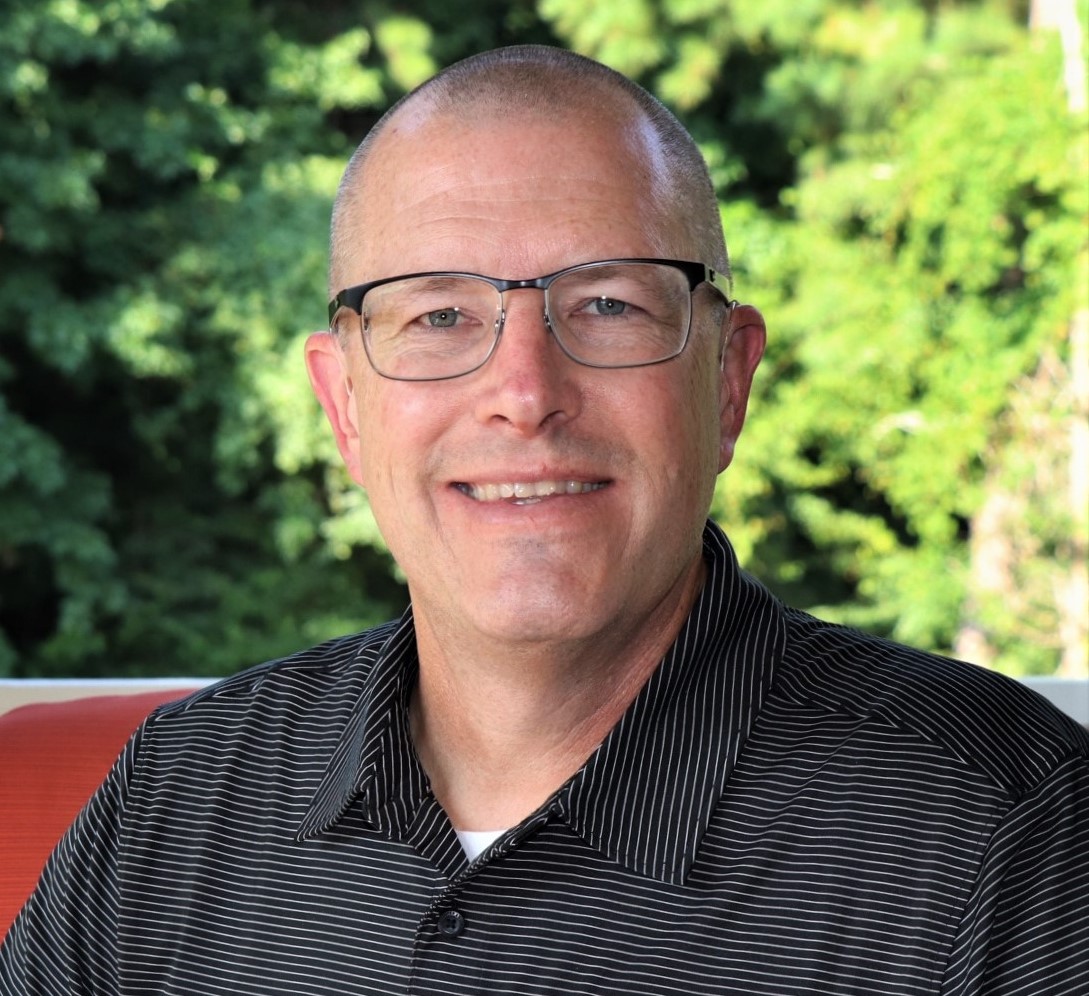
Tim Kalafut is a recovering 20+ year lab practitioner that made the jump to the world of academia in 2020. He is currently teaching the next generation of forensic DNA examiners as they complete their masters and PhD level research projects at SHSU. His research interests are heavily involved in DNA interpretation, such as mixture interpretations of related persons, NGS mixtures, and the interpretations and limitations of DNA findings given activity level interpretations. He maintains an active presence in the practitioner world by way of case consulting and testimony and providing training and continuing education.