Are You Prepared? Developing and Testing DVI Response Plans Workshop

Are You Prepared? Developing and Testing DVI Response Plans Workshop

Description:

This workshop provides an introduction for forensic laboratories interested in developing and implementing a Disaster Victim Identification (DVI) response using DNA methodologies. Drawing from the experiences of the Palm Beach County Sheriff’s Office and Kentucky State Police, the workshop covers key topics such as assessing available resources, determining specific needs, defining roles and responsibilities, and testing plan effectiveness through practical, scenario-based exercises. Attendees will engage in lectures, interactive discussions, and hands-on activities, including drafting a preliminary DVI plan tailored to their organization. By the end of the session, participants will have a foundational plan that can be further refined and implemented to enhance their DVI preparedness.


Learning Outcomes:

  • Assess Resources and Needs: Learn how to evaluate available resources and identify key needs when developing a DNA-based Disaster Victim Identification (DVI) response.
  • Define Roles and Responsibilities: Gain the skills to clearly define and assign roles and responsibilities within a DVI response framework.
  • Test Plan Effectiveness: Understand how to test and evaluate the effectiveness of your DVI plan through practical, scenario-based exercises.
  • Draft a DVI Plan: Collaborate with peers to begin drafting a customized DVI response plan that integrates DNA methodologies, ready for further refinement and implementation.


Intended Audience:

This workshop is suitable for forensic science professionals at all levels who are interested in developing actionable plans to enhance their lab or agency’s readiness for mass identification events utilizing DNA methodologies. This can include but not limited to:

  • Forensic laboratory leaders and supervisors responsible for planning and developing programs for disaster response.
  • Quality Assurance Coordinators and Training Officers interested in building robust, adaptable plans for mass identification.
  • Disaster Response and Emergency Planners within forensic labs who play a role in strategizing for large-scale incidents.
  • Forensic Scientists and Analysts who want to contribute to or better understand the structure of mass identification plans in their organizations.

Description:

This workshop provides an introduction for forensic laboratories interested in developing and implementing a Disaster Victim Identification (DVI) response using DNA methodologies. Drawing from the experiences of the Palm Beach County Sheriff’s Office and Kentucky State Police, the workshop covers key topics such as assessing available resources, determining specific needs, defining roles and responsibilities, and testing plan effectiveness through practical, scenario-based exercises. Attendees will engage in lectures, interactive discussions, and hands-on activities, including drafting a preliminary DVI plan tailored to their organization. By the end of the session, participants will have a foundational plan that can be further refined and implemented to enhance their DVI preparedness.


Learning Outcomes:

  • Assess Resources and Needs: Learn how to evaluate available resources and identify key needs when developing a DNA-based Disaster Victim Identification (DVI) response.
  • Define Roles and Responsibilities: Gain the skills to clearly define and assign roles and responsibilities within a DVI response framework.
  • Test Plan Effectiveness: Understand how to test and evaluate the effectiveness of your DVI plan through practical, scenario-based exercises.
  • Draft a DVI Plan: Collaborate with peers to begin drafting a customized DVI response plan that integrates DNA methodologies, ready for further refinement and implementation.


Intended Audience:

This workshop is suitable for forensic science professionals at all levels who are interested in developing actionable plans to enhance their lab or agency’s readiness for mass identification events utilizing DNA methodologies. This can include but not limited to:

  • Forensic laboratory leaders and supervisors responsible for planning and developing programs for disaster response.
  • Quality Assurance Coordinators and Training Officers interested in building robust, adaptable plans for mass identification.
  • Disaster Response and Emergency Planners within forensic labs who play a role in strategizing for large-scale incidents.
  • Forensic Scientists and Analysts who want to contribute to or better understand the structure of mass identification plans in their organizations.

Pricing:


  • Standard$425
  • Student$300

Fees include printed workshop materials, breakfast, lunch, and breaks

Workshop currently at capacity. A waitlist is available to join on our registration page.

Brought to you by

Worldwide Association of Women Forensic Experts

Agenda:


8:30-9:00am
Workshop Team Introduction
9:00-9:40am
Forensic Biology First Hand Experience from Vegas Shooting and Kentucky Tornados: Carol Retamozo and Regina Wells
9:40-9:45am
Activity: What Would You Do if Your Lab Needed to Respond?
9:45-10:15am
The Critical Role of Mass Identification: Todd Cohen
10:15-10:30am
Break
10:30-11:30am
Integrating DNA Analysis into Existing DVI Infastructure: Julie Sikorsky and Regina Wells
11:30-11:40am
Activity: Fill Out As Many Questions About Your Agency As You Can
11:40am-12:00pm
Developing Roles and Responsibilities for a Mass Identification Plan: Kelly Behnke
12:00-1:00pm
Lunch
1:00-1:15pm
Activity: What Roles Could You Implement at Your Lab for Your Mass Identification Response?
1:15-1:50pm
Palm Beach County Sheriff’s Office and Kentucky State Police Roles in Action: Kelly Behnke and Regina Wells
1:50-2:10pm
Activity: Building Your Own Roles for Your Mass Identification Plan
2:10-2:25pm
Break
2:25-2:55pm
Testing Your Mass Identification Plans: Briel Hay
2:55-4:15pm
Activity: Table-Top Exercise to Test Your Mass Identification Plans
4:15-4:30pm
Debriefing Mass Identification Plans and What’s Next: Briel Hay
4:30-5:00pm
Questions and Answers/Closing Remarks
Co-Chair

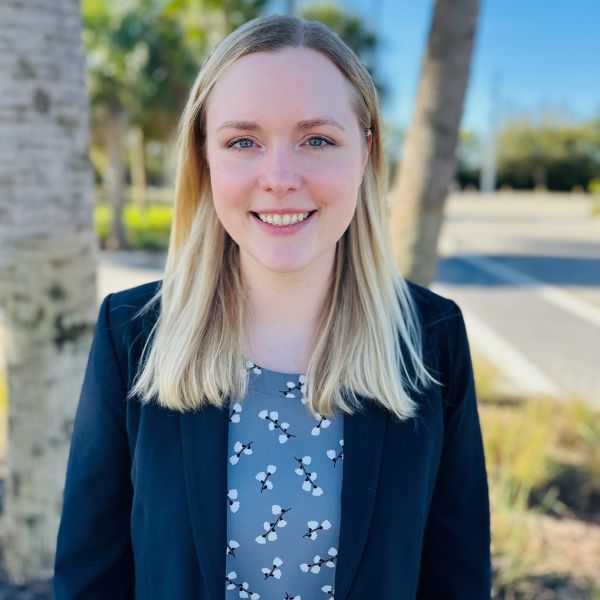
Kelly Behnke

Forensic Scientist, Palm Beach County Sheriff’s Office

Kelly Behnke is a Forensic Scientist at the Palm Beach County Sheriff’s Office in West Palm Beach, Florida in the Forensic Biology Unit. She has been with PBSO for approximately 8 years, conducting both biological screening and DNA analysis as well as training new analysts.

Speaker Image
Co-Chair

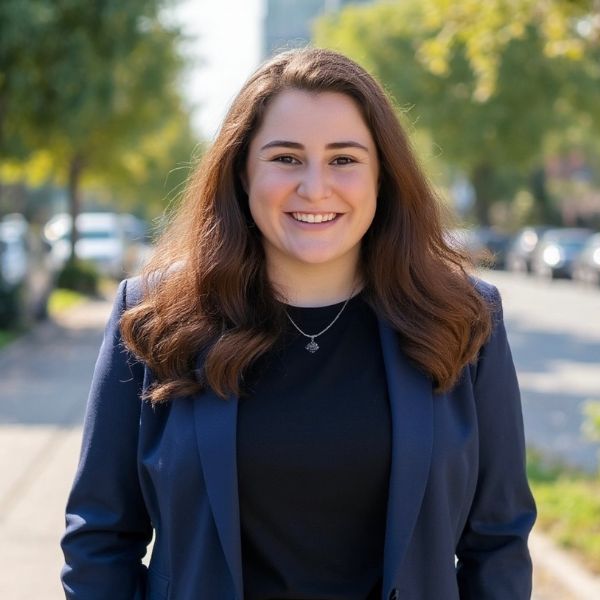
Briel Hay

Forensic Scientist, Palm Beach County Sheriff's Office

Briel Hay is a Forensic Scientist with the Forensic Biology Unit at the Palm Beach County Sheriff's Office. She has been in this role for over two years, specializing in forensic DNA analysis.

Speaker Image

Todd Cohen

Forensic Scientist, Palm Beach County Sheriff's Office

Todd Cohen is currently one of the senior most Forensic Scientists in the Forensic Biology Unit of the Palm Beach County Sheriff's Office. Located in West Palm Beach, FL, Todd has been employed for 11 years conducting DNA analysis, Y-STR analysis and serology on criminal cases in Palm Beach County.

Speaker Image

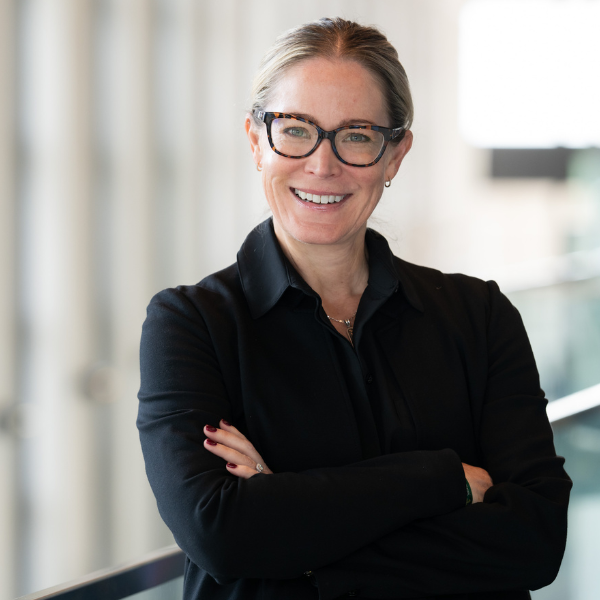
Julie Conover Sikorsky

Forensic Biology Manager, Palm Beach County Sheriff’s Office

Julie Conover Sikorsky is the Forensic Biology Manager at the Palm Beach County Sheriff’s Office. She joined PBSO in 2002 as a Senior Forensic Scientist and became Forensic Biology Manager in 2012. Julie holds a B.S. in Molecular Biology from UC San Diego and M.S. degrees in Forensic Science and Biomedical Science from Marshall University. ABC-certified in Molecular Biology and a Lean Six Sigma Green Belt, she serves on multiple forensic science committees and frequently presents at industry conferences. Dedicated to advancing forensic science, Julie focuses on innovation, process improvement, and mentorship.
Speaker Image

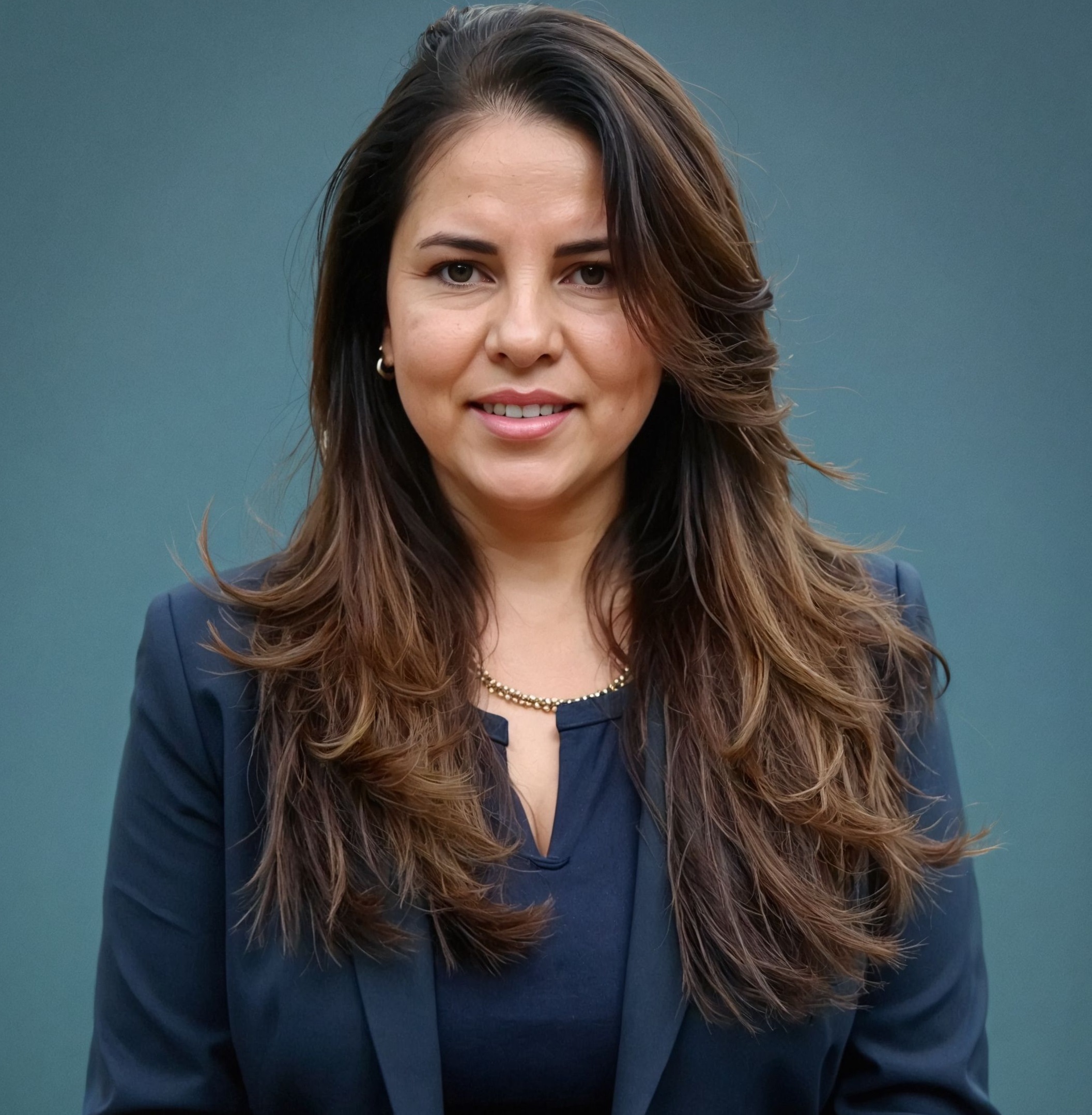
Carol Retamozo

Assistant Forensic Quality Assurance Manager, Palm Beach County Sheriff’s Office

Carol Retamozo is the Assistant Forensic Quality Assurance Manager at the Palm Beach County Sheriff’s Office. She has 20 years of experience in forensic science and has worked for the Florida Department of Law Enforcement, the Las Vegas Metropolitan Police Department, the Texas Department of Public Safety, and the Palm Beach County Sheriff’s Office. She has experience in various roles, including Forensic Technologist, Forensic Scientist, and Forensic Laboratory Supervisor.

Speaker Image

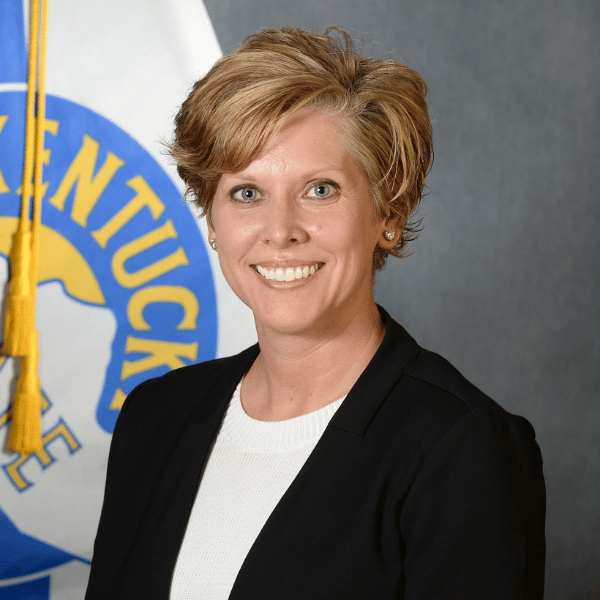
Regina Wells

DNA Database Supervisor, Kentucky State Police DNA Database

Regina Wells has been employed by the Kentucky State Police for 19 years and the supervisor of the DNA Database for 3 years. She also serves as the State CODIS Administrator for Kentucky.

Speaker Image

Submit Question to a speaker