DNA Profile Analysis in a Validated Process for Efficiency and Interpretation

DNA Profile Analysis in a Validated Process for Efficiency and Interpretation

Description:

This workshop offers a fresh perspective on DNA profile analysis, focusing on enhancing efficiency and accuracy of the analysis process, and the integration of probabilistic genotyping.

Key topics include:

  • How DNA profiles are generated – fundamental principles
  • Comparing algorithmic variations across different analysis software and how this affects outputs
  • Exploring operator tools within FaSTR™ DNA for effective analysis (includes interactive demonstration)
  • Understanding stutter modelling and its role in interpretation and determination of the number of contributors (includes audience participation exercises)
  • Software-automated (FaSTR™ DNA) estimation of the number of contributors to a profile (includes interactive demonstration and audience participation exercises)
  • Incorporation and use of machine learning in analysis software (FaSTR™ DNA)
  • Developing optimized workflows – from analysis to interpretation and beyond (includes interactive demonstration*)
  • Validating analysis software for reliable results and laboratory specific requirements

Learning Outcomes:

  • Gain a fresh understanding of the fundamental principles of how a DNA profile is generated.
  • Gaining insight into how analysis software influences the generation of genotype data and its subsequent interpretation.
  • Understanding key differences in performance (algorithmic) between major analysis software.
  • Understanding the flexibility to tailor analysis software settings and workflows to meet laboratory requirements.
  • Recognizing the critical importance of validating analysis software, with step-by-step guidance on how to undertake the process.


Intended Audience:

This workshop is designed for DNA analysts, supervisors, and technical leaders with prior experience and a strong understanding of casework DNA profile analysis.

Description:

This workshop offers a fresh perspective on DNA profile analysis, focusing on enhancing efficiency and accuracy of the analysis process, and the integration of probabilistic genotyping.

Key topics include:

  • How DNA profiles are generated – fundamental principles
  • Comparing algorithmic variations across different analysis software and how this affects outputs
  • Exploring operator tools within FaSTR™ DNA for effective analysis (includes interactive demonstration)
  • Understanding stutter modelling and its role in interpretation and determination of the number of contributors (includes audience participation exercises)
  • Software-automated (FaSTR™ DNA) estimation of the number of contributors to a profile (includes interactive demonstration and audience participation exercises)
  • Incorporation and use of machine learning in analysis software (FaSTR™ DNA)
  • Developing optimized workflows – from analysis to interpretation and beyond (includes interactive demonstration*)
  • Validating analysis software for reliable results and laboratory specific requirements

Learning Outcomes:

  • Gain a fresh understanding of the fundamental principles of how a DNA profile is generated.
  • Gaining insight into how analysis software influences the generation of genotype data and its subsequent interpretation.
  • Understanding key differences in performance (algorithmic) between major analysis software.
  • Understanding the flexibility to tailor analysis software settings and workflows to meet laboratory requirements.
  • Recognizing the critical importance of validating analysis software, with step-by-step guidance on how to undertake the process.


Intended Audience:

This workshop is designed for DNA analysts, supervisors, and technical leaders with prior experience and a strong understanding of casework DNA profile analysis.

Pricing:


  • Standard Registration$425

Fees include printed workshop materials, breakfast, lunch, and breaks

Workshop currently at capacity. A waitlist is available to join on our registration page.

Brought to you by

Worldwide Association of Women Forensic Experts

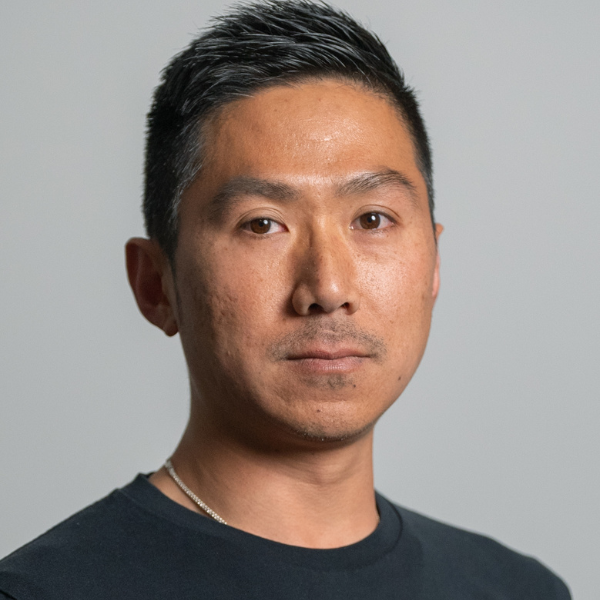
Co-Chair

Meng-Han Lin

Senior Scientist, The New Zealand Institute for Public Health and Forensic Science Limited (PHF Science) (Formerly ESR)

Meng-Han Lin is a Senior Scientist at the Institute of Environmental Science and Research (ESR) and has been employed in the STRmix™ team since 2016. A molecular biologist by background, his role is primarily responsible for the development, validation, and support of FaSTR™ DNA analysis software.

Speaker Image
Co-Chair

Helena Wong

Oakland Police Department 

Helena Wong is a Criminalist II at the Oakland Police Department Crime Laboratory. She joined the Forensic Biology Unit in 2010 and has over 15 years of experience in casework. Helena has been involved in and led numerous validation studies, including automating the differential extraction process and implementing FaSTR™ DNA.  

Speaker Image

Catherine McGovern

Science Leader, The New Zealand Institute for Public Health and Forensic Science Limited (PHF Science)

Catherine McGovern is a Science Leader at The New Zealand Institute for Public Health and Forensic Science Limited (PHF Science), with over 30 years’ experience in the forensic biology discipline. Her current role is as Team Leader of customer training and support services within the STRmix team.

Speaker Image

Megan O'Donnell

Supervising Forensic Scientist and the Technical Leader, New Hampshire State Police Forensic Laboratory Biology Unit

Megan O’Donnell joined the New Hampshire State Police Forensic Laboratory Biology unit in 2016 where she currently serves as the supervising Forensic Scientist and the Technical Leader. She is an active member of New Hampshire’s Sexual Assault Nurse Examiner Board, where she participates in the training of new SANE nurses and the state’s sexual assault kit design. Since 2022, she has led a fantastic group of scientists on a journey to optimize DNA analysis in the state of New Hampshire and the United States having successfully sponsored the first 8-dye STR and Y-STR chemistry to be given NDIS approval for use in CODIS as well as becoming the first forensic laboratory in the world with an 8-dye chemistry analysis and interpretation workflow with FaSTR DNA and STRMix software.

Speaker Image

Submit Question to a speaker