Human Intelligence in the Age of AI: Meaningful Oversight, Trust, and Legal Scrutiny in Forensic Science

Human Intelligence in the Age of AI: Meaningful Oversight, Trust, and Legal Scrutiny in Forensic Science

Description:

Forensic laboratories are steadily exploring and integrating artificial intelligence (AI) into their workflows. “AI in forensic science,” however, is not a single, uniform concept. The risks, benefits, and responsibilities associated with AI depend heavily on how, where, and why it is used. Without a clear understanding of context, claims of oversight, reliability, or even usefulness quickly breakdown, particularly under legal scrutiny.

This workshop focuses on the role of human intelligence in ensuring that AI is applied appropriately, interpreted correctly, and defended confidently in court. We will examine how different AI use cases (e.g., screening, prioritization, report generation, or decision assistance) create different expectations for human involvement and accountability. Participants will explore what meaningful human oversight looks like across different use case contexts, and how it can degrade into a superficial “check-the-box” review if human factors are not carefully considered.

Through applied scenarios and discussion, we will address practical questions facing forensic practitioners today: When is human judgment truly independent of the tool? How do cognitive biases and automation effects shape interpretation of AI outputs? What level of understanding is required to explain and defend AI-assisted conclusions? And critically, how can the forensic science community ensure the use of AI is just, fair, and meets the demands placed on it by the law?

Key themes include:

  • Understanding AI use cases in context and why context determines risk and responsibility
  • Distinguishing meaningful oversight from passive or nominal review
  • Human factors challenges: bias, trust calibration, and overreliance
  • Maintaining human expertise in AI-assisted decisions
  • Communicating the role and limits of AI clearly in reports and court testimony


Learning Outcomes:

  1. Identify AI use cases in forensic science and explain how context of use shapes appropriate application, risk, and required levels of human oversight.
  2. Identify what constitutes meaningful human oversight and distinguish it from superficial or “check-the-box” review in AI-assisted workflows.
  3. Recognize key human factors risks including bias, overreliance, and misaligned trust, and their impact on forensic decision-making.


Intended Audience:

Designed for practitioners, managers, and legal stakeholders, this workshop emphasizes practical, defensible approaches to using AI in forensic science use cases. By grounding AI in its specific context of use and reinforcing the central role of human expertise, participants will leave better equipped to apply AI responsibly, and to stand behind their decisions in the courtroom.


Description:

Forensic laboratories are steadily exploring and integrating artificial intelligence (AI) into their workflows. “AI in forensic science,” however, is not a single, uniform concept. The risks, benefits, and responsibilities associated with AI depend heavily on how, where, and why it is used. Without a clear understanding of context, claims of oversight, reliability, or even usefulness quickly breakdown, particularly under legal scrutiny.

This workshop focuses on the role of human intelligence in ensuring that AI is applied appropriately, interpreted correctly, and defended confidently in court. We will examine how different AI use cases (e.g., screening, prioritization, report generation, or decision assistance) create different expectations for human involvement and accountability. Participants will explore what meaningful human oversight looks like across different use case contexts, and how it can degrade into a superficial “check-the-box” review if human factors are not carefully considered.

Through applied scenarios and discussion, we will address practical questions facing forensic practitioners today: When is human judgment truly independent of the tool? How do cognitive biases and automation effects shape interpretation of AI outputs? What level of understanding is required to explain and defend AI-assisted conclusions? And critically, how can the forensic science community ensure the use of AI is just, fair, and meets the demands placed on it by the law?

Key themes include:

  • Understanding AI use cases in context and why context determines risk and responsibility
  • Distinguishing meaningful oversight from passive or nominal review
  • Human factors challenges: bias, trust calibration, and overreliance
  • Maintaining human expertise in AI-assisted decisions
  • Communicating the role and limits of AI clearly in reports and court testimony


Learning Outcomes:

  1. Identify AI use cases in forensic science and explain how context of use shapes appropriate application, risk, and required levels of human oversight.
  2. Identify what constitutes meaningful human oversight and distinguish it from superficial or “check-the-box” review in AI-assisted workflows.
  3. Recognize key human factors risks including bias, overreliance, and misaligned trust, and their impact on forensic decision-making.


Intended Audience:

Designed for practitioners, managers, and legal stakeholders, this workshop emphasizes practical, defensible approaches to using AI in forensic science use cases. By grounding AI in its specific context of use and reinforcing the central role of human expertise, participants will leave better equipped to apply AI responsibly, and to stand behind their decisions in the courtroom.


Pricing:


  • Standard Registration$275

Fee includes breakfast and materials.

Workshop currently at capacity. A waitlist is available to join on our registration page.

Brought to you by

Worldwide Association of Women Forensic Experts

Chair

Niki Osborne

Science Lead for Human Factors and AI, New Zealand Institute for Public Health and Forensic Science

Dr. Niki Osborne is a forensic research scientist and human factors specialist with expertise in decision-making, cognitive bias, and responsible Artificial Intelligence (AI) adoption in forensic science. She was the Project Lead for the NIST/NIJ Expert Working Group on Human Factors in Forensic DNA Interpretation and has worked closely with forensic scientists, researchers, and legal professionals across the forensic community.

Speaker Image

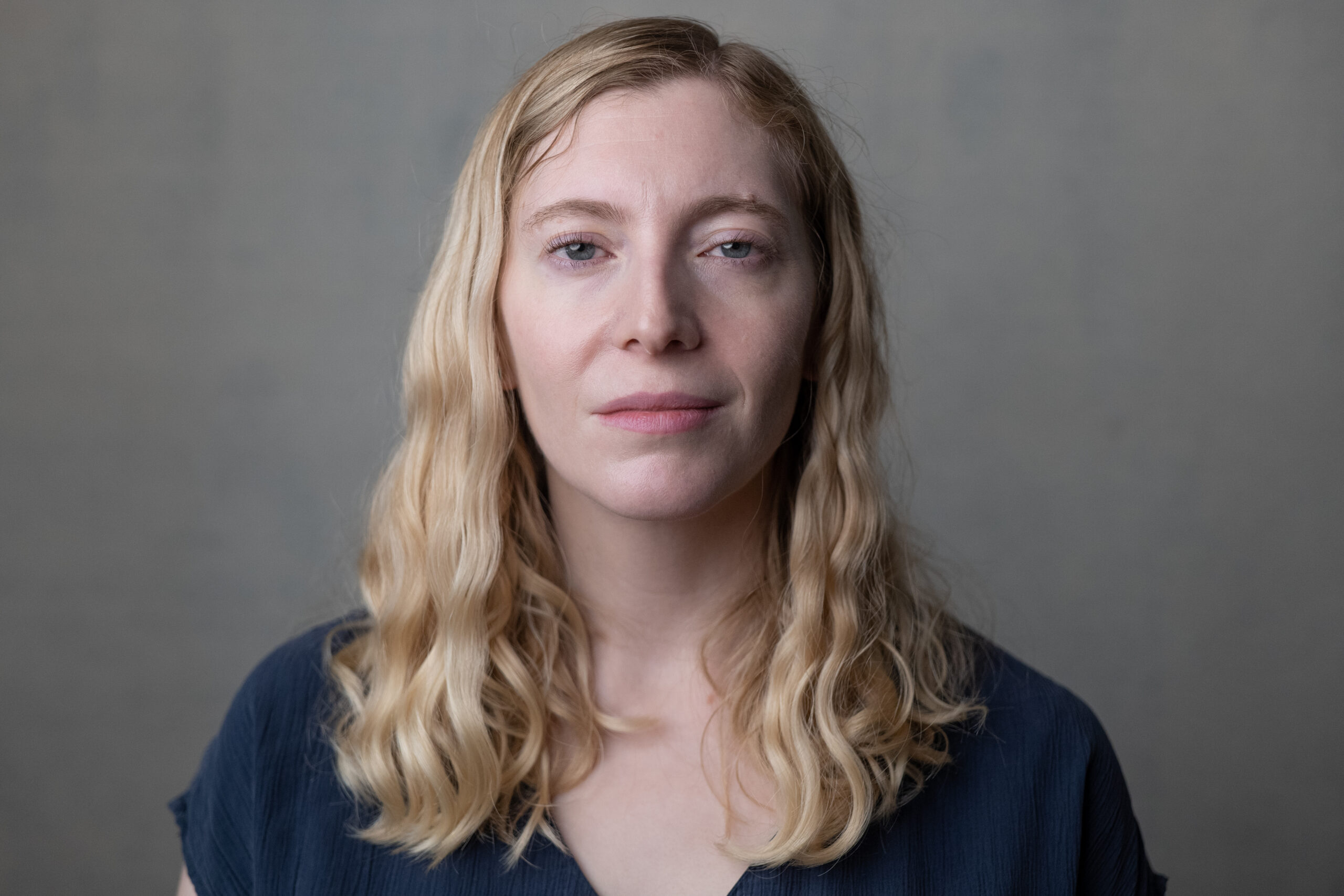
Dana Delger

Attorney consulting to the Forensic Science Standards Program at the National Institute of Standards and Technology

Dana M. Delger is an attorney who works as a consultant to the Forensic Science Standards Program at the National Institute of Standards and Technology.

Speaker Image

Melissa Taylor

Senior Forensic Science Research Manager, Special Programs Office, National Institute of Standards and Technology

Melissa Taylor is a Senior Forensic Science Research Manager within the Special Programs Office at the National Institute of Standards and Technology. Her work focuses primarily on integrating human-factors principles into forensic sciences, process mapping, understanding expert decision-making, and developing requirements for adopting trustworthy and responsible AI systems.

Speaker Image

Submit Question to a speaker