
Keynote – From Evidence to Impact: Forensic Firsts in the Courtroom

Keynote – From Evidence to Impact: Forensic Firsts in the Courtroom

This session examines two landmark forensic DNA cases in which evidence types long considered limited for traditional analysis were evaluated using advanced sequencing and computational approaches.

Cases Explored:

  • Identical Twins & Ultra‑Deep Sequencing (Russell Marubbio case, Virginia)
    A first‑of‑its‑kind U.S. conviction in which ultra‑deep whole‑genome sequencing identified rare somatic mutations to differentiate identical twins—previously considered genetically indistinguishable in forensic analysis. The session explores the analytical strategy, quality control framework, and the evidentiary foundation that supported its acceptance in court
  • Rootless Hair & Whole‑Genome Sequencing (Anne Pham case, California)
    A cold case solved using whole‑genome sequencing from a single rootless hair shaft—evidence long considered unsuitable for nuclear DNA analysis. The session will explore how modern sequencing technologies make it possible to recover genome-wide data from highly degraded material, enabling SNP-based identification approaches in the absence of CODIS profiles. Discussion will include contamination safeguards, validation studies, and conservative interpretation frameworks applied when working with limited biological material. 

Intended Takeaways for Attendees:

  1. How to think differently about degraded or legacy evidence
  2. Decision frameworks for determining when advanced methods may be appropriate
  3. The role of the forensic scientist as an impartial expert
  4. Effective strategies for communicating new technologies

This session examines two landmark forensic DNA cases in which evidence types long considered limited for traditional analysis were evaluated using advanced sequencing and computational approaches.

Cases Explored:

  • Identical Twins & Ultra‑Deep Sequencing (Russell Marubbio case, Virginia)
    A first‑of‑its‑kind U.S. conviction in which ultra‑deep whole‑genome sequencing identified rare somatic mutations to differentiate identical twins—previously considered genetically indistinguishable in forensic analysis. The session explores the analytical strategy, quality control framework, and the evidentiary foundation that supported its acceptance in court
  • Rootless Hair & Whole‑Genome Sequencing (Anne Pham case, California)
    A cold case solved using whole‑genome sequencing from a single rootless hair shaft—evidence long considered unsuitable for nuclear DNA analysis. The session will explore how modern sequencing technologies make it possible to recover genome-wide data from highly degraded material, enabling SNP-based identification approaches in the absence of CODIS profiles. Discussion will include contamination safeguards, validation studies, and conservative interpretation frameworks applied when working with limited biological material. 

Intended Takeaways for Attendees:

  1. How to think differently about degraded or legacy evidence
  2. Decision frameworks for determining when advanced methods may be appropriate
  3. The role of the forensic scientist as an impartial expert
  4. Effective strategies for communicating new technologies

Workshop currently at capacity. A waitlist is available to join on our registration page.

Brought to you by

Worldwide Association of Women Forensic Experts

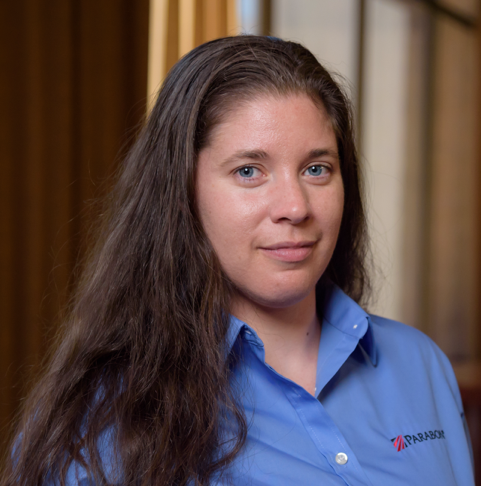
Janet Cady

Senior Bioinformatics Scientist, Parabon NanoLabs

Dr. Janet Cady is a Senior Bioinformatics Scientist at Parabon NanoLabs. She received her PhD in Human and Statistical Genetics from Washington University in St. Louis. Since joining Parabon in 2016, she has performed advanced DNA analysis on hundreds of forensic cases. She specializes in method development and analysis of sequencing data.
Speaker Image

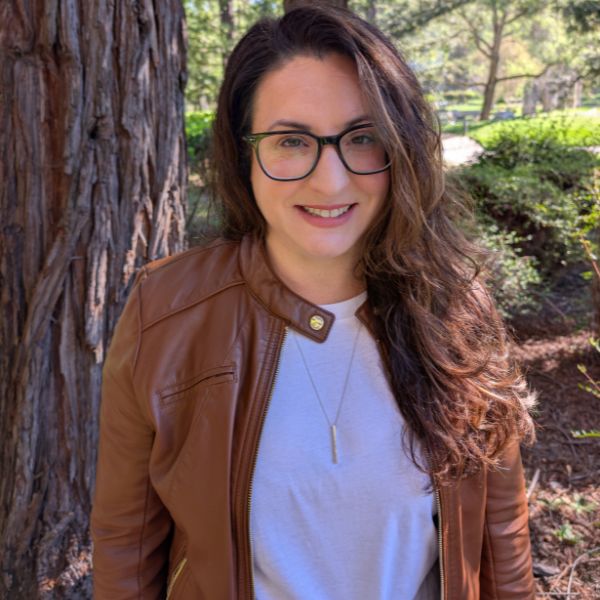
Cristina Valencia

Lab Director, Astrea Forensics

Dr. Cristina Valencia is the Lab Director at Astrea Forensics, where she leads the development and application of ancient DNA methods, next‑generation sequencing, and analytical workflows for forensic investigations. Since joining Astrea in 2020, she has contributed to more than one hundred cases, specializing in the recovery and analysis of rootless hairs and other highly degraded DNA samples for law enforcement agencies.

Speaker Image

Submit Question to a speaker