Keynote: From Evidence to Impact. When DNA Changes Everything: The Impact of One Identification

Keynote: From Evidence to Impact. When DNA Changes Everything: The Impact of One Identification

The moment a DNA profile links one case to another, everything changes. What begins as a single identification can reveal patterns spanning jurisdictions, decades, and families—transforming cold cases into connected investigations. As databases expanded and technologies advanced, DNA’s role shifted from answering isolated questions within a single case to revealing connections no one anticipated. Y-STR analysis enabled linkage through paternal lineages. Forensic Investigative Genetic Genealogy introduced the ability to identify unknown offenders through familial relationships, even when no direct profile existed in CODIS. These tools didn’t replace traditional methods—they coexisted, each contributing pieces to investigations that spanned years and geographies. 

The Robert Eugene Brashers case exemplifies this evolution. Between 1985 and 1998, Brashers committed violent crimes across Florida, South Carolina, Texas, Tennessee, Missouri, and beyond. His identification as the perpetrator in the Yogurt Shop Murders came not from a single breakthrough, but from the intersection of STR analysis, forensic investigative genetic genealogy, ballistic evidence, and persistent interagency collaboration. That innovation and collaboration led to resolution of multiple cold cases, exonerated wrongfully accused individuals, and revealed the scope of harm that had been hidden across jurisdictional boundaries. 

This presentation examines the Brashers case through three distinct perspectives. Shena Latcham, Forensic Scientist Supervisor of DNA Casework at the Missouri State Highway Patrol Crime Laboratory will discuss the 1998 Sherri and Megan Scherer double homicide investigation— the evidence collected, forensic unknown CODIS hits with multiple states, the exhumation process, human remains analysis, and STR confirmation. Genetic genealogist CeCe Moore will explain her genetic genealogy work on the Sherer and other connected cases, linking crimes across jurisdictions that had remained unsolved and her continuing work to identify other cold cases that may be attributable to Brashers. Deborah Brashers closes with a perspective rarely heard: what it means to learn that your father was responsible for multiple violent crimes. Her perspective offers critical insight into the family impact of forensic identification—a reality that exists alongside the resolution experienced by victim families. 

The moment a DNA profile links one case to another, everything changes. What begins as a single identification can reveal patterns spanning jurisdictions, decades, and families—transforming cold cases into connected investigations. As databases expanded and technologies advanced, DNA’s role shifted from answering isolated questions within a single case to revealing connections no one anticipated. Y-STR analysis enabled linkage through paternal lineages. Forensic Investigative Genetic Genealogy introduced the ability to identify unknown offenders through familial relationships, even when no direct profile existed in CODIS. These tools didn’t replace traditional methods—they coexisted, each contributing pieces to investigations that spanned years and geographies. 

The Robert Eugene Brashers case exemplifies this evolution. Between 1985 and 1998, Brashers committed violent crimes across Florida, South Carolina, Texas, Tennessee, Missouri, and beyond. His identification as the perpetrator in the Yogurt Shop Murders came not from a single breakthrough, but from the intersection of STR analysis, forensic investigative genetic genealogy, ballistic evidence, and persistent interagency collaboration. That innovation and collaboration led to resolution of multiple cold cases, exonerated wrongfully accused individuals, and revealed the scope of harm that had been hidden across jurisdictional boundaries. 

This presentation examines the Brashers case through three distinct perspectives. Shena Latcham, Forensic Scientist Supervisor of DNA Casework at the Missouri State Highway Patrol Crime Laboratory will discuss the 1998 Sherri and Megan Scherer double homicide investigation— the evidence collected, forensic unknown CODIS hits with multiple states, the exhumation process, human remains analysis, and STR confirmation. Genetic genealogist CeCe Moore will explain her genetic genealogy work on the Sherer and other connected cases, linking crimes across jurisdictions that had remained unsolved and her continuing work to identify other cold cases that may be attributable to Brashers. Deborah Brashers closes with a perspective rarely heard: what it means to learn that your father was responsible for multiple violent crimes. Her perspective offers critical insight into the family impact of forensic identification—a reality that exists alongside the resolution experienced by victim families. 

Workshop currently at capacity. A waitlist is available to join on our registration page.

Brought to you by

Worldwide Association of Women Forensic Experts

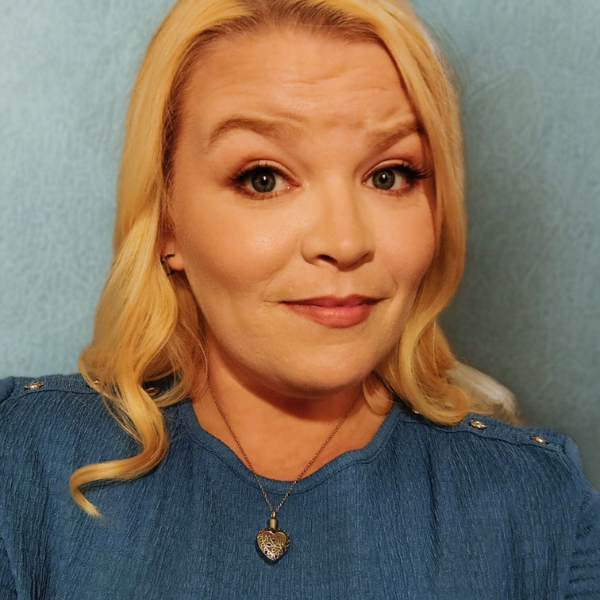
Deborah Brashers

Deborah Brashers is the daughter of Robert Eugene Brashers, an American serial killer responsible for the murders of at least eight women and girls between 1990 and 1998. Deborah first learned about her father’s crimes in 2018, and the news immediately changed the course of her life. She began speaking publicly about her memories of her father while also offering help to law enforcement. This experience has given her a deep passion for pursuing a degree in criminal justice, driven by a desire to better understand the system, support investigations, and contribute to meaningful change.
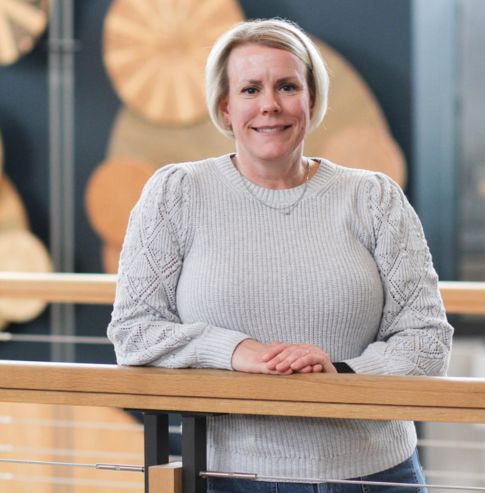
Speaker Image

Shena Latcham

Forensic Scientist Supervisor, DNA Casework, Missouri State Highway Patrol Crime Laboratory

In 2006, Shena was hired as a Criminalist in the DNA Casework Section at the Missouri State Highway Patrol Crime Laboratory located in Jefferson City, MO. Shena continued her role as a DNA Criminalist until 2021, when she was promoted to a Forensic Scientist Supervisor in DNA Casework, where she is still employed today. Throughout Shena’s career as a forensic scientist in DNA, she has acted as a CODIS administrator, a STACS administrator, led multiple validations studies, acted as a DNA trainer for new analysts, provided DNA-specific training for countless law enforcement agencies, lawyers, and SANE nurses, and has testified over 100 times in at least 30 Missouri counties.

Speaker Image

CeCe Moore

Internationally Recognized DNA and True Crime Expert

CeCe Moore is an internationally recognized DNA and true crime expert and an Emmy-nominated creator whose frequent media appearances have led to her being called “the face of genetic genealogy.”

Through collaboration with hundreds of investigative agencies across North America, she has led the Parabon Genetic Genealogy Team to the unparalleled record of over 375 successful identifications of violent criminal suspects and unidentified decedents since 2018. CeCe’s cutting-edge work with law enforcement has led to the first conviction, the first conviction through jury verdict, the first conviction in an active violent case investigation, and the first exoneration in cases where the suspect was identified through IGG.

Speaker Image

Submit Question to a speaker