Panel – Behind the Bench: Combating Burnout in Forensic DNA Laboratories

Panel – Behind the Bench: Combating Burnout in Forensic DNA Laboratories

As forensic DNA laboratories face increasing caseloads, evolving technologies, and rising expectations for accuracy and efficiency, the professionals who perform this critical work are experiencing unprecedented levels of stress and burnout. This panel will explore the complex interplay of factors contributing to burnout in forensic DNA analysis, including high-reliability work demands, bureaucratic barriers, training fatigue, and workload distribution. Drawing from current research and practitioner experience, panelists will discuss evidence-based strategies to support workforce resilience. Topics will include the implementation of peer support programs, access to mental health resources tailored for forensic professionals, wellness initiatives, and the role of organizational culture in mitigating stress. Attendees will gain practical insights and tools to advocate for systemic changes within their laboratories, promote psychological safety, and sustain the health and effectiveness of their forensic teams. A moderated Q&A will invite audience participation and foster collaborative problem-solving across the forensic community.

As forensic DNA laboratories face increasing caseloads, evolving technologies, and rising expectations for accuracy and efficiency, the professionals who perform this critical work are experiencing unprecedented levels of stress and burnout. This panel will explore the complex interplay of factors contributing to burnout in forensic DNA analysis, including high-reliability work demands, bureaucratic barriers, training fatigue, and workload distribution. Drawing from current research and practitioner experience, panelists will discuss evidence-based strategies to support workforce resilience. Topics will include the implementation of peer support programs, access to mental health resources tailored for forensic professionals, wellness initiatives, and the role of organizational culture in mitigating stress. Attendees will gain practical insights and tools to advocate for systemic changes within their laboratories, promote psychological safety, and sustain the health and effectiveness of their forensic teams. A moderated Q&A will invite audience participation and foster collaborative problem-solving across the forensic community.

Workshop currently at capacity. A waitlist is available to join on our registration page.

Brought to you by

Worldwide Association of Women Forensic Experts

Chair

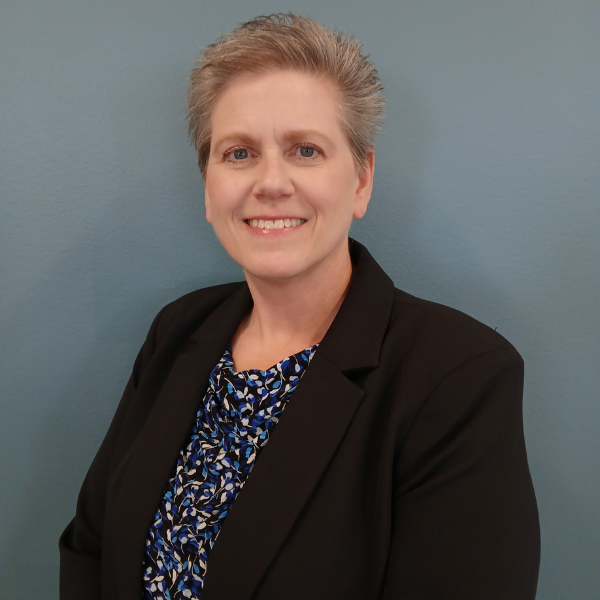
Jennifer Dillon

State Administrative Manager, Wellness and Resiliency Section, Michigan State Police

Jennifer is the State Administrative Manager for the Wellness and Resiliency Section of the Michigan State Police, overseeing wellness programming for over 3,000 members statewide, including both civilian and enforcement personnel. She has been with the Michigan State Police since 2005, initially as a forensic scientist specializing in DNA, trace evidence, bloodstain pattern analysis, and crime scene response. With 17 years in the field, Jennifer developed a deep interest in mental strength training and stress mitigation as it relates to first responders and support personnel. 

Speaker Image

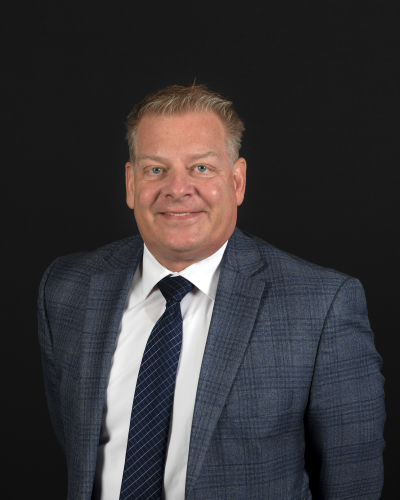
Brian Hoey

Director, Missouri State Highway Patrol Crime Laboratory System

Brian Hoey is the Director of the Missouri State Highway Patrol Crime Laboratory System. Brian has been with the MSHP Crime Lab for 29 years. Brian began his career as a DNA analyst and served as the Laboratory’s TL for 8 years. His current leadership focus is to coach the transition from bench Criminalist to supervision and management.
Speaker Image

Sharon Polakowski

Forensic Scientist, Wisconsin State Crime Lab in Milwaukee

Sharon Polakowski is a Forensic Scientist working for the Wisconsin State Crime in Milwaukee. She has served in that capacity for over 30 years, beginning with training/casework in Serology and transitioning to DNA testing as it was put into use in the Wisconsin State Crime Laboratories.

Speaker Image

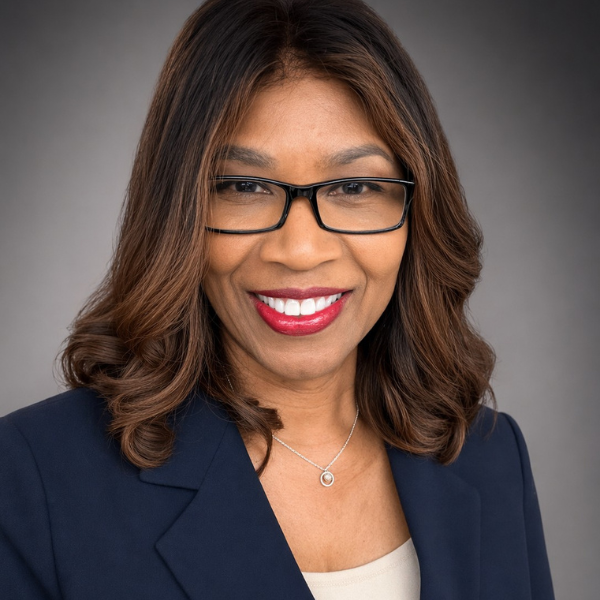
Tracie Webb

Chief Police Psychologist, Office of Behavioral Science, Michigan State Police

Tracie is a psychologist who has worked for over seventeen years in several environments, including higher education, private practice, and a men’s prison. She has done therapy with couples and individuals who were struggling with substance abuse, trauma, depression, and other mental health challenges.

She is the Chief Police Psychologist in the Office of Behavioral Science for the Michigan State Police. She teaches at the training academy, does presentations on self-care, and helps the enlisted and civilian members process the traumatic experiences they encounter in the workplace. Most of all, she enjoys watching people journey from unhealthy functioning to overall wellness.

Speaker Image

Submit Question to a speaker