

The Wayward Beach Bum: Resolving Unidentified Human Remains Using Integrated Forensic and Genealogical Approaches

The Wayward Beach Bum: Resolving Unidentified Human Remains Using Integrated Forensic and Genealogical Approaches

In 2022, multiple pieces of flesh washed ashore along the Atlantic coastline between Palm Beach and Broward Counties in south Florida. Initially suspected to be marine animal tissue, DNA testing confirmed the samples to be human. STR and Y-STR analysis determined the tissue originated from a male individual; however, the absence of skeletal structures precluded anthropological assessment and left investigators without estimates of age, ancestry, or time since death.

Independent testing by two forensic laboratories generated matching STR profiles that were uploaded to the Combined DNA Index System (CODIS), but no investigative leads were identified. With no additional evidence and no associated missing persons reports, traditional investigative avenues were limited. In 2025, FIGG testing began. During the research process, one lead’s social media activity revealed a startling clue to the individual’s identity — ultimately providing the key to resolving the case.

This case demonstrates how STR analysis, SNP testing, and genealogical research can resolve the identity of previously unidentified human remains, highlighting how investigative information can provide the critical context necessary to interpret atypical findings and reveal unexpected postmortem circumstances, including previously unrecognized methods of final disposition.

Some of the most challenging identifications involve individuals who were never reported missing. Who searches for the lost when they are not really missing?

In 2022, multiple pieces of flesh washed ashore along the Atlantic coastline between Palm Beach and Broward Counties in south Florida. Initially suspected to be marine animal tissue, DNA testing confirmed the samples to be human. STR and Y-STR analysis determined the tissue originated from a male individual; however, the absence of skeletal structures precluded anthropological assessment and left investigators without estimates of age, ancestry, or time since death.

Independent testing by two forensic laboratories generated matching STR profiles that were uploaded to the Combined DNA Index System (CODIS), but no investigative leads were identified. With no additional evidence and no associated missing persons reports, traditional investigative avenues were limited. In 2025, FIGG testing began. During the research process, one lead’s social media activity revealed a startling clue to the individual’s identity — ultimately providing the key to resolving the case.

This case demonstrates how STR analysis, SNP testing, and genealogical research can resolve the identity of previously unidentified human remains, highlighting how investigative information can provide the critical context necessary to interpret atypical findings and reveal unexpected postmortem circumstances, including previously unrecognized methods of final disposition.

Some of the most challenging identifications involve individuals who were never reported missing. Who searches for the lost when they are not really missing?

Workshop currently at capacity. A waitlist is available to join on our registration page.

Brought to you by

Worldwide Association of Women Forensic Experts

Stacey Baker

Senior Forensic Scientist, Palm Beach County Sheriff's Office

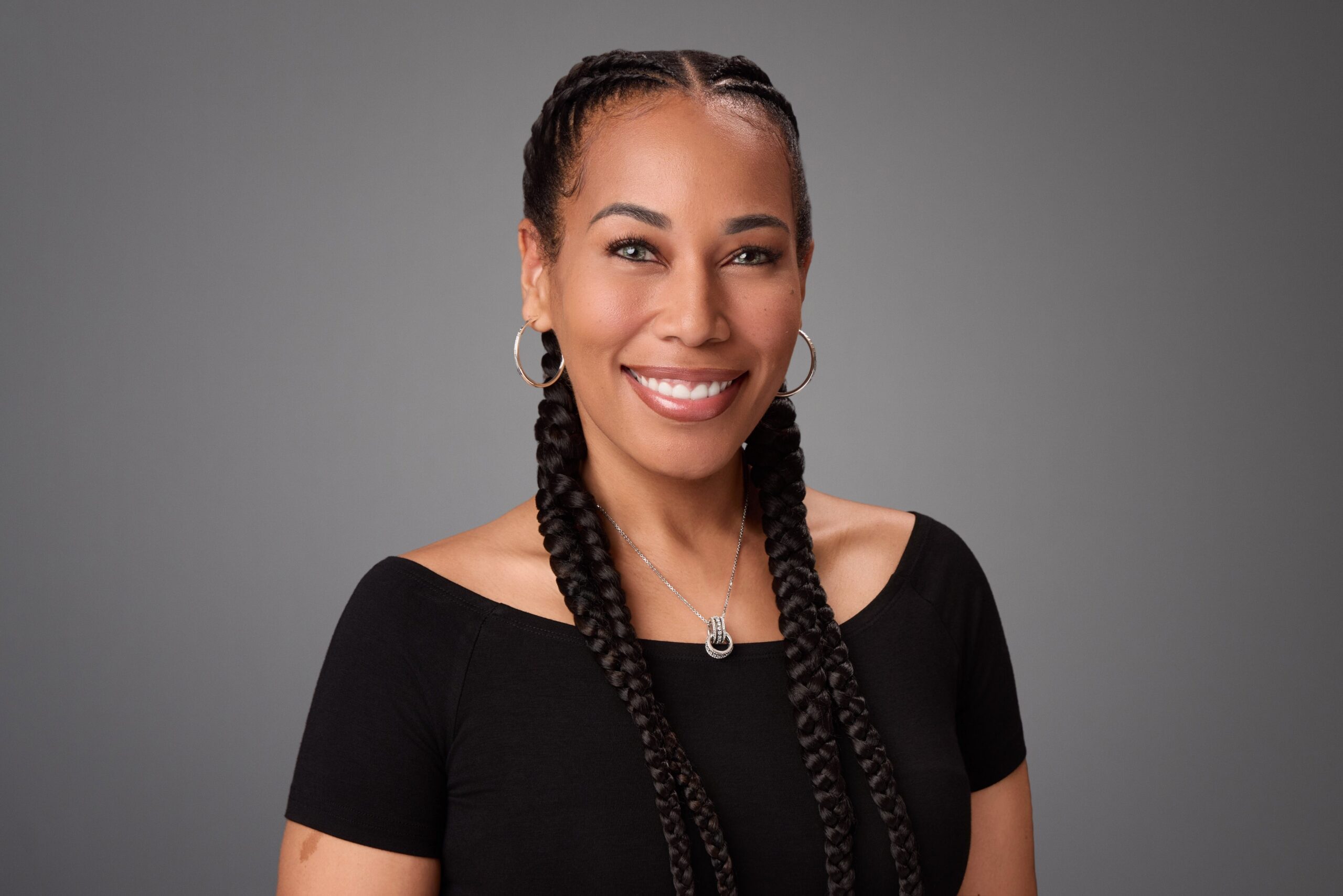
Stacey Baker is a Senior Forensic Scientist with the Palm Beach County Sheriff’s Office with 17 years of experience in DNA analysis and is board certified by the American Board of Criminalistics in the field of Molecular Biology. She also serves as the Forensic Investigative Genetic Genealogy Coordinator and is the Cold Case Liaison for her agency and surrounding Palm Beach County law enforcement agencies.
Speaker Image

Submit Question to a speaker