When the SOP Isn’t Enough: How Elyssa Trautmann Solves Cold Cases at FDLE
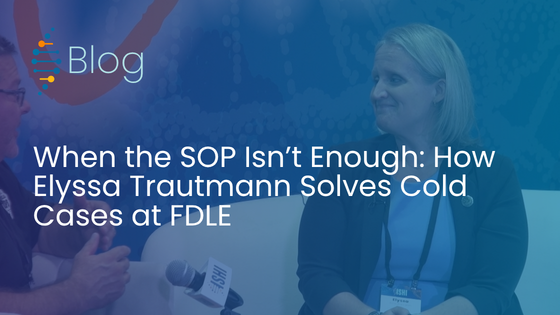
Cold case DNA work doesn’t fail because analysts aren’t skilled. It stalls because evidence is old, degraded, or formatted in ways the standard operating procedure was never written to address. Sexual assault smears from 1983. Evidence packaged before current collection protocols existed. Items that don’t fit the workflow because the workflow was built for something […]
Building STRmix™ from the Ground Up: A Q&A with ISHI Student Ambassador Kiersten Fultz and Dr. Jo Bright
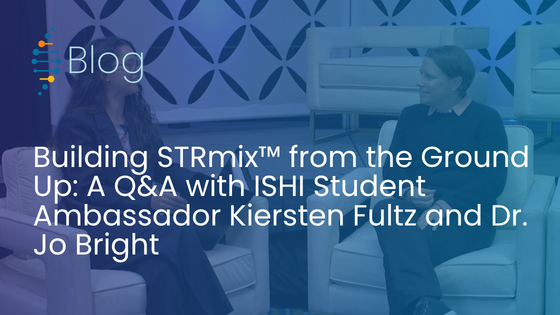
Building software for probabilistic genotyping is technically demanding. Building it so it holds up in court systems across multiple countries is something different. That distinction drove much of how STRmix™ was designed. Dr. Jo Bright is a Senior Science Leader at the New Zealand Institute for Public Health and Forensic Science, formerly known as ESR. […]
This Week in Forensic Science
No one has hours to scour the papers to keep up with the latest news, so we’ve curated the top news stories in the field of Forensic Science for this week. Here’s what you need to know to get out the door! DNA Evidence Connects Minneapolis Driver to Two Sexual Assaults a Decade Apart, Charges Say […]
Burning Out in the DNA Lab: A Wellness Panel on Stress, Trauma, and Taking Care of Yourself

Forensic DNA analysts spend years learning how to handle evidence. They are not typically taught how to handle what the evidence represents. The bodies, the children, the families waiting — all of it moves through the lab and out the door with the case file, but it does not always leave the analyst. That gap […]
What They’ve Had to Unlearn: A Conversation with the ISHI Advisory Committee

Progress in forensic science isn’t only about what gets added — it’s also about what has to be let go. The ISHI Advisory Committee was asked what they’ve had to unlearn throughout their careers. The answers are about language, leadership, identity, and scope. https://youtu.be/12CTfQpKgNI Shena Latcham’s answer is about language — and how much of […]
This Week in Forensic Science
No one has hours to scour the papers to keep up with the latest news, so we’ve curated the top news stories in the field of Forensic Science for this week. Here’s what you need to know to get out the door! Riverside County Sheriff’s Office Coroner’s Bureau and the Riverside Cold Case Homicide Team Leverage […]
Dear Mentor: How Can Leaders Get Staff On Board with Changes?
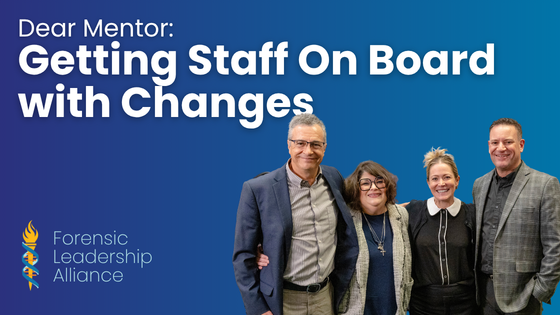
She’s not trying to undermine the change. She doesn’t realize she’s resisting it. That’s not a generous reading of a difficult team dynamic. It’s what the behavioral science behind change actually shows. When someone has a natural propensity toward negative emotion, they tend to experience change as loss. They grieve it, or they fear it, […]
A Free Training for Kinship Analysis Is Now Available. Here’s What’s in It.

Kinship analysis occupies a different space than most DNA casework. Standard forensic interpretation relies on direct comparisons — a known profile measured against an unknown. Kinship analysis asks a different question: given the DNA in front of you, what is the statistical support for a biological relationship between these individuals? That distinction matters for how […]
What 15 Skeletons from a 17th-Century Warship Reveal About Modern Forensic DNA

The warship Vasa sank in Stockholm harbor in 1628, traveling just over 1,300 meters before it went down. When salvage crews raised it in 1961, they recovered skeletal remains along with it — clothing, artifacts, and bones that had spent 333 years submerged, then been excavated, reburied in soil, and in some cases stored in […]