

A Promise Made: Reflecting on 9/11 Victim Identification 25 Years Later

A Promise Made: Reflecting on 9/11 Victim Identification 25 Years Later

September 11th, 2001 was a day of tragedy, amounting to the deadliest act of terrorism in world history. Following these tragic events, a story of unmatched courage and resilience began. The recovery and identification efforts following the 9/11 attacks became one of the largest and most complex forensic investigations in American history. Forensic Scientists from the New York City Office of Chief Medical Examiner, assisted by numerous others, were tasked with the recovery and identification of 2,753 individuals. The recovery efforts lasted 13 years and yielded 21,905 human remains requiring identification. As technology improved over the past 25 years, additional testing of these remains became possible and has led to new identifications. These advancements have allowed the OCME to continue to fulfill the promise made in 2001 to the families of the victims, that promise being: We will use every scientific tool available, to continue to identify as many victims as possible, and return them to their families.

This discussion will provide an update on the DNA testing done, including the 17,000+ reference samples tested, the 21,905 remains tested, and the efforts to identify the remaining 1,100 people who remain unidentified. It will also focus on the lessons learned from managing this type of event and the type of forensic work that is now being done on everyday missing persons and criminal cases as a direct result of the lessons we learned from 9/11. Specifically, the creation of a dedicated DNA Missing Persons Team was a milestone achievement that has had successes spanning decades. A “Missing Persons Triad” has been formed between the Forensic Biology, Anthropology, and Identification units at the OCME. These units work together daily to bring answers to families of the missing. Through specialized training in forensic interviews, training in various DNA methodologies, and indexing of morgue records, identifications are becoming a more frequent achievement. Additionally, the development of an annual “Missing Person’s Day”, has allowed the OCME the opportunity to re-commit to this effort, affording families access to free resources, and spreading the word about our work for any families seeking help. Through the lessons learned in the wake of 9/11, the progress we have made towards our goal of identifying decedents has greatly improved, allowing for new identifications to be made that were previously impossible.

September 11th, 2001 was a day of tragedy, amounting to the deadliest act of terrorism in world history. Following these tragic events, a story of unmatched courage and resilience began. The recovery and identification efforts following the 9/11 attacks became one of the largest and most complex forensic investigations in American history. Forensic Scientists from the New York City Office of Chief Medical Examiner, assisted by numerous others, were tasked with the recovery and identification of 2,753 individuals. The recovery efforts lasted 13 years and yielded 21,905 human remains requiring identification. As technology improved over the past 25 years, additional testing of these remains became possible and has led to new identifications. These advancements have allowed the OCME to continue to fulfill the promise made in 2001 to the families of the victims, that promise being: We will use every scientific tool available, to continue to identify as many victims as possible, and return them to their families.

This discussion will provide an update on the DNA testing done, including the 17,000+ reference samples tested, the 21,905 remains tested, and the efforts to identify the remaining 1,100 people who remain unidentified. It will also focus on the lessons learned from managing this type of event and the type of forensic work that is now being done on everyday missing persons and criminal cases as a direct result of the lessons we learned from 9/11. Specifically, the creation of a dedicated DNA Missing Persons Team was a milestone achievement that has had successes spanning decades. A “Missing Persons Triad” has been formed between the Forensic Biology, Anthropology, and Identification units at the OCME. These units work together daily to bring answers to families of the missing. Through specialized training in forensic interviews, training in various DNA methodologies, and indexing of morgue records, identifications are becoming a more frequent achievement. Additionally, the development of an annual “Missing Person’s Day”, has allowed the OCME the opportunity to re-commit to this effort, affording families access to free resources, and spreading the word about our work for any families seeking help. Through the lessons learned in the wake of 9/11, the progress we have made towards our goal of identifying decedents has greatly improved, allowing for new identifications to be made that were previously impossible.

Workshop currently at capacity. A waitlist is available to join on our registration page.

Brought to you by

Worldwide Association of Women Forensic Experts

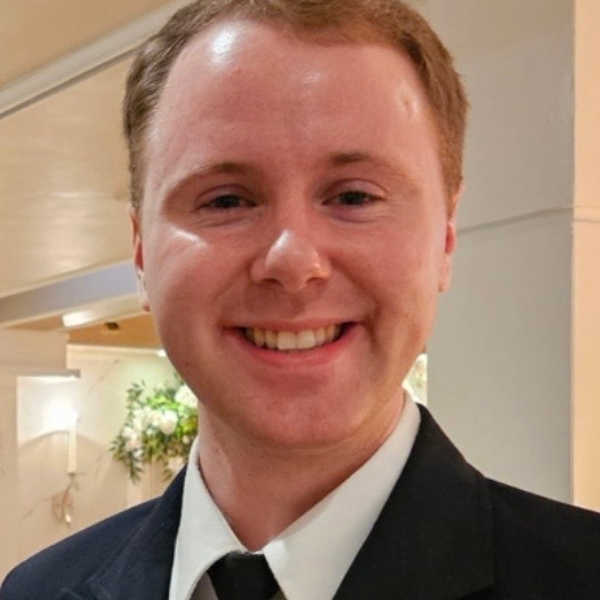
Kevin McKenna

Criminalist, New York City Office of Chief Medical Examiner

Kevin McKenna is a Criminalist at the New York City Office of Chief Medical Examiner in the Department of Forensic Biology, the largest public forensic DNA laboratory in the country. As a Criminalist, he has examined physical evidence and performed DNA analysis on hundreds of cases and provided expert testimony in multiple New York City courts.
Speaker Image

Submit Question to a speaker