

SNP Genotyping using WGS on Benchtop Sequencers: Making the Most of Every DNA Sample

SNP Genotyping using WGS on Benchtop Sequencers: Making the Most of Every DNA Sample

Description:

Whole genome sequencing (WGS) has gained notoriety within the forensic community for generating SNP data compatible with forensic genetic genealogy searches and SNP-SNP human identity determinations. Herein, our workshop will focus on exploring how WGS data can be generated existing commercial multiplexes, low pass DNA sequencing instrumentation (I.e., benchtop sequencers) and subsequently analyzed using freely available, validated bioinformatics tools. Attendees will work through examples using mock casework data to understand how SNP genotypes are generated and interpreted using a low-pass approach, including the challenges with DNA input, variability in chemistries, plexity, profile upload compatibility, and data storage/security.


Learning Outcomes:

  • foundational understanding of how SNP genotypes can be generated from a DNA sample using desktop (low pass) DNA sequencers
  • foundational understanding of bioinformatics and imputation related to SNP genotyping
  • foundational understanding of how WGS SNP data differs from other SNP genotyping methods, and how the resultant SNP genotypes may be used for inferring relationships or determining identity within a forensic genetics lens


Intended Audience:

Those with a basic knowledge and understanding of DNA typing methods; basic knowledge and understanding of the role of single nucleotide polymorphisms (SNPs) in forensic genetics testing

Description:

Whole genome sequencing (WGS) has gained notoriety within the forensic community for generating SNP data compatible with forensic genetic genealogy searches and SNP-SNP human identity determinations. Herein, our workshop will focus on exploring how WGS data can be generated existing commercial multiplexes, low pass DNA sequencing instrumentation (I.e., benchtop sequencers) and subsequently analyzed using freely available, validated bioinformatics tools. Attendees will work through examples using mock casework data to understand how SNP genotypes are generated and interpreted using a low-pass approach, including the challenges with DNA input, variability in chemistries, plexity, profile upload compatibility, and data storage/security.


Learning Outcomes:

  • foundational understanding of how SNP genotypes can be generated from a DNA sample using desktop (low pass) DNA sequencers
  • foundational understanding of bioinformatics and imputation related to SNP genotyping
  • foundational understanding of how WGS SNP data differs from other SNP genotyping methods, and how the resultant SNP genotypes may be used for inferring relationships or determining identity within a forensic genetics lens


Intended Audience:

Those with a basic knowledge and understanding of DNA typing methods; basic knowledge and understanding of the role of single nucleotide polymorphisms (SNPs) in forensic genetics testing

Pricing:


  • Standard Registration$425

Fees include printed workshop materials, breakfast, lunch, and breaks

Workshop currently at capacity. A waitlist is available to join on our registration page.

Brought to you by

Worldwide Association of Women Forensic Experts

Co-Chair

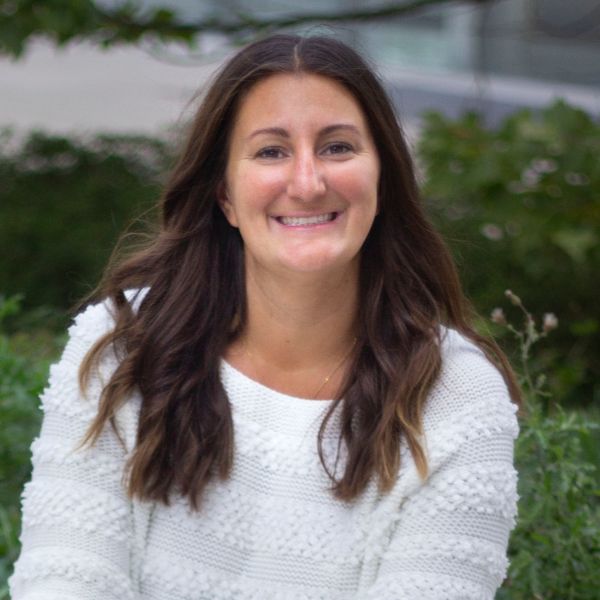
Nicole Novroski

Associate Professor and Associate Director, Center for Human Identification (CHI), University of North Texas Health Science Center

Dr. Nicole Novroski is an Associate Professor with tenure in the College of Biomedical and Translational Sciences and the Associate Director for the Center for Human Identification at the University of North Texas Health Science Center at Fort Worth. Dr. Novroski specializes in using massively parallel sequencing coupled with novel approaches and methodologies for forensic human identity testing. Her current focus is the exploration of previously uncharacterized genetic markers for improved DNA mixture deconvolution and in the optimization of genetic workflows for investigative genetic genealogy.
Speaker Image
Co-Chair

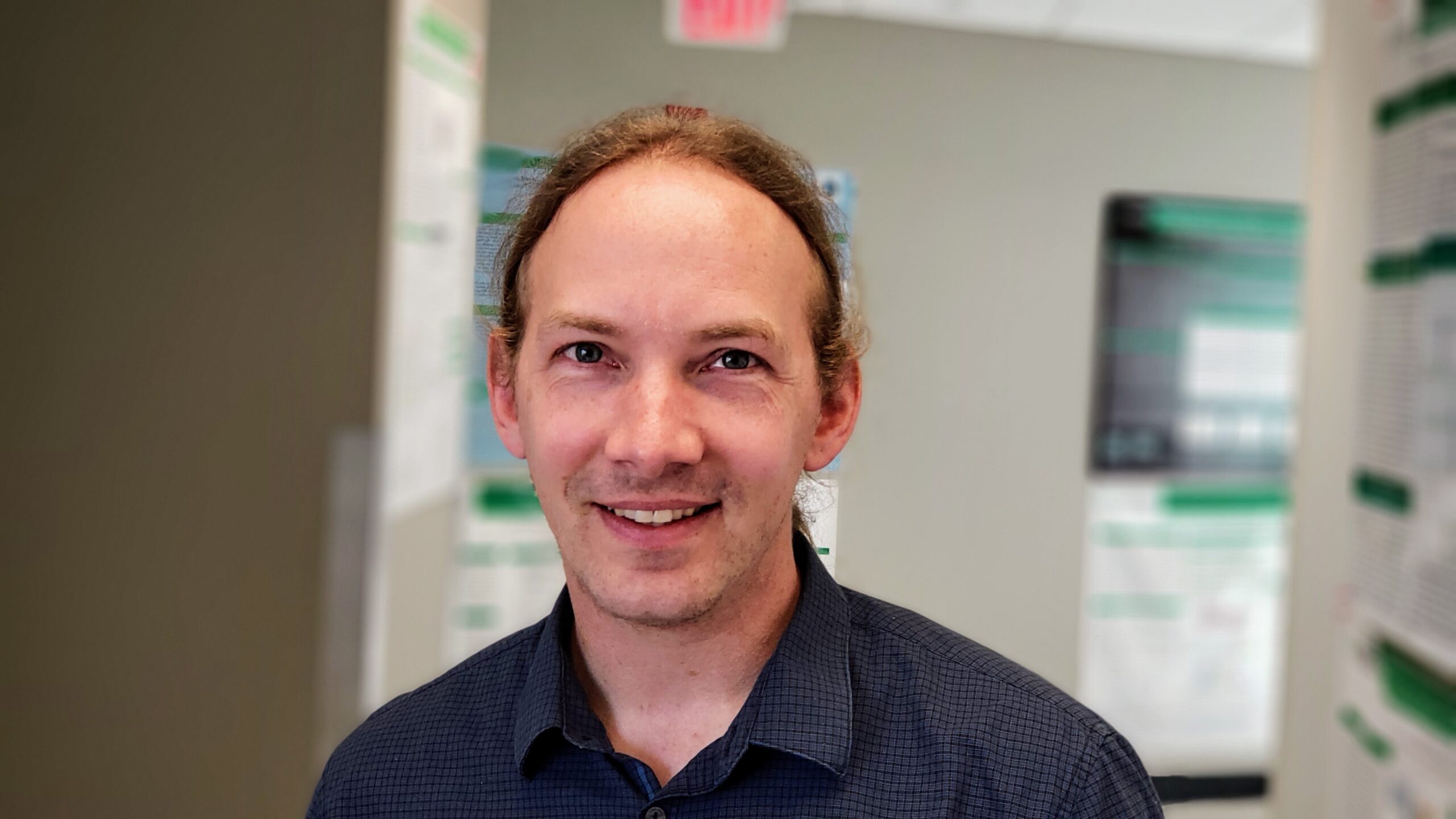
August Woerner

Associate Professor, Center for Human Identification (CHI), University of North Texas Health Science Center

August Woerner is an Associate Professor in the department of Microbiology, Immunology and Genetics at the University of North Texas Health Science Center. By training he is a computer scientist and a geneticist, and he has been an active researcher in the fields of computational biology, bioinformatics and population genomics for almost twenty years. August has served on several genome consortia, developed numerous software packages, and his works have been cited over 4500 times. Much of August’s current research focuses on whole genome sequencing, particular, its application to forensic genetic genealogy.

Speaker Image

Submit Question to a speaker