Home » Whole Genome Sequencing for Forensic Laboratories Workshop
In August 2023, the Center for Human Identification (CHI) at the University of North Texas Health Science Center became the first publicly accredited laboratory to implement SNP testing using MPS technologies for Forensic Genetic Genealogy (FGG). Since that time, the CHI has implemented a number of workflows for FGG cases, with the latest being whole genome sequencing (WGS).
This workshop will focus solely on WGS. The benefits of WGS will be discussed along with additional informatic and sequencing platform considerations. Molecular and bioinformatic workflows will be outlined and data from the CHI’s developmental validation will be shared.
This workshop is intended for DNA analysts, technical leaders, supervisors, attorneys, genealogists, investigators, and judges, as well as for anyone wishing to bring whole genome sequencing online or for those considering sending their samples to an outside laboratory for whole genome sequencing. Some topic knowledge required.
In August 2023, the Center for Human Identification (CHI) at the University of North Texas Health Science Center became the first publicly accredited laboratory to implement SNP testing using MPS technologies for Forensic Genetic Genealogy (FGG). Since that time, the CHI has implemented a number of workflows for FGG cases, with the latest being whole genome sequencing (WGS).
This workshop will focus solely on WGS. The benefits of WGS will be discussed along with additional informatic and sequencing platform considerations. Molecular and bioinformatic workflows will be outlined and data from the CHI’s developmental validation will be shared.
This workshop is intended for DNA analysts, technical leaders, supervisors, attorneys, genealogists, investigators, and judges, as well as for anyone wishing to bring whole genome sequencing online or for those considering sending their samples to an outside laboratory for whole genome sequencing. Some topic knowledge required.
Fees include printed workshop materials, breakfast, lunch, and breaks
Workshop currently at capacity. A waitlist is available to join on our registration page.

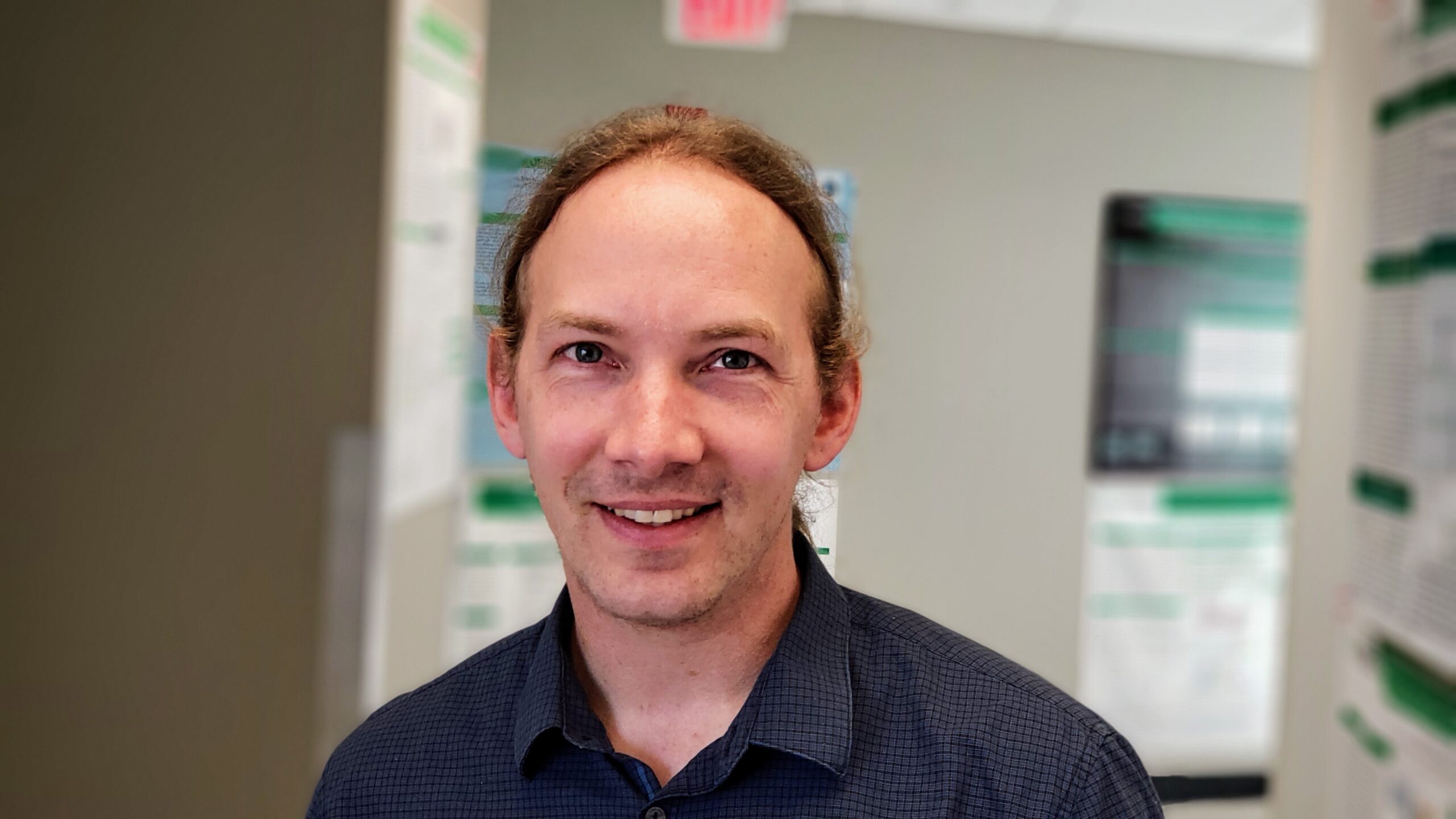
Associate Professor, Center for Human Identification (CHI), University of North Texas Health Science Center
August Woerner is an Associate Professor in the department of Microbiology, Immunology and Genetics at the University of North Texas Health Science Center. By training he is a computer scientist and a geneticist, and he has been an active researcher in the fields of computational biology, bioinformatics and population genomics for almost twenty years. August has served on several genome consortia, developed numerous software packages, and his works have been cited over 4500 times. Much of August’s current research focuses on whole genome sequencing, particular, its application to forensic genetic genealogy.
Professor and Executive Director, Center for Human Identification (CHI), University of North Texas Health Science Center
Michael Coble, PhD, is a Professor and the Executive Director of the Center for Human Identification at the University of North Texas Health Fort Worth. Dr. Coble received his PhD in Genetics from The George Washington University. He has over 100 peer-reviewed publications in forensic DNA analysis and interpretation and is recognized among the top 2% of highly cited researchers worldwide.
Associate Professor and Associate Director, Center for Human Identification (CHI), University of North Texas Health Science Center
Dr. Nicole Novroski is an Associate Professor with tenure in the College of Biomedical and Translational Sciences and the Associate Director for the Center for Human Identification at the University of North Texas Health Science Center at Fort Worth. Dr. Novroski specializes in using massively parallel sequencing coupled with novel approaches and methodologies for forensic human identity testing. Her current focus is the exploration of previously uncharacterized genetic markers for improved DNA mixture deconvolution and in the optimization of genetic workflows for investigative genetic genealogy.