Grupo Cientifico Latino-Americano de Trabajo Sobre Identificacion Humana

Grupo Cientifico Latino-Americano de Trabajo Sobre Identificacion Humana

Grupo Científico Latinoamericano de Trabajo sobre Identificación Humana

¡Un cordial saludo para todos!

La 37.ª Reunión del Grupo Científico Latinoamericano de Trabajo sobre Identificación Humana (GCLAITH) se proyecta como un espacio de encuentro y diálogo académico, orientado a compartir conocimientos, fortalecer los lazos entre investigadores e investigadoras de Latinoamérica y estimular el desarrollo de nuevas colaboraciones científicas en el ámbito de la identificación humana forense.

Este espacio busca convocar y dar la bienvenida a peritos, investigadores, estudiantes y a quienes se inician en esta área, promoviendo un intercambio amable, abierto y enriquecedor. Asimismo, la reunión representa una oportunidad para reconocer y visibilizar la valiosa y creciente contribución científica de nuestra región, así como para consolidar redes de cooperación que impulsen el avance del conocimiento y las buenas prácticas en identificación humana en el contexto latinoamericano.

En este marco, se invita a la presentación y discusión de trabajos científicos relacionados con diversas líneas temáticas de interés, sin que estas resulten limitantes, entre las que se incluyen:

  • Incorporación y evaluación de kits de marcadores STR optimizados para muestras degradadas.
  • Análisis de marcadores STR, SNP y ADN mitocondrial mediante secuenciación de nueva generación (NGS), incluyendo genealogía genética, fenotipado predictivo, protocolos de validación y bioinformática.
  • Creación y fortalecimiento de bases de datos genéticos forenses y estudios poblacionales, incluyendo marcadores STR autosómicos y STR del cromosoma Y.
  • Estudios sobre diversidad del ADN mitocondrial y desarrollo de bases de datos regionales.
  • Aplicaciones del fenotipado forense por ADN y la estimación de ancestría biogeográfica en poblaciones latinoamericanas.
  • Análisis e interpretación de perfiles genéticos mezclados.
  • Estimación de edad basada en patrones de metilación del ADN.

Finalmente, se espera que esta reunión continúe siendo un espacio de construcción colectiva, reflexión científica y fortalecimiento de la comunidad latinoamericana dedicada a la identificación humana.

Pricing:


  • Standard Registration$100

Workshop currently at capacity. A waitlist is available to join on our registration page.

Brought to you by

Worldwide Association of Women Forensic Experts

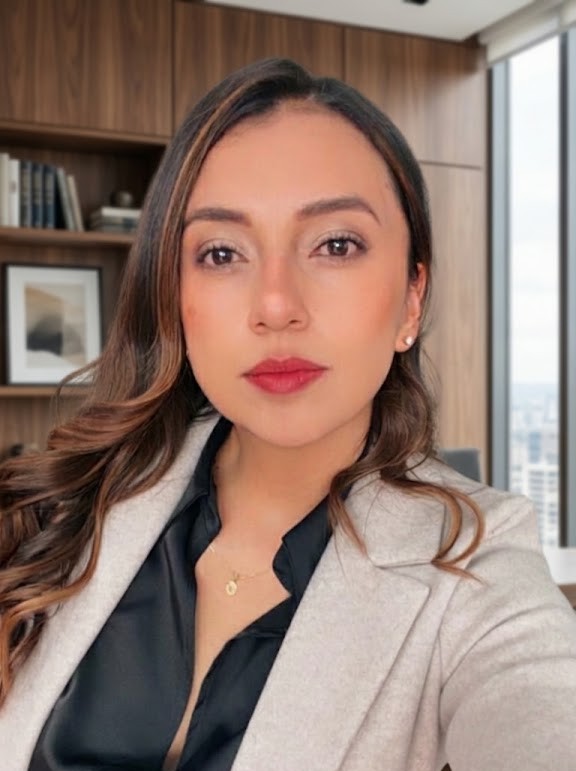
Chair

Carolina Guaneme Donoso

Fiscalía General de la Nación

A microbiologist with more than 25 years of experience in criminalistics and forensic genetics, she has developed a solid professional career supporting the scientific, technical, and managerial components of human identification in judicial and human rights contexts, through her work with the Technical Investigation Corps (CTI) of the Office of the Attorney General of Colombia. She is a specialist in forensic investigations of human rights violations and has received continuous national and international training in forensic statistics, molecular biology, and method validation.
Speaker Image

Valentina Parra Acevedo

Genetics Group of the Technical Investigation Corps (CTI) at the Office of the Attorney General of Colombia

As a member of the Genetics Group of the Technical Investigation Corps (CTI) at the Office of the Attorney General of Colombia, she is involved in forensic genetics research and the application of DNA technologies for human identification. Her scientific interests include forensic genetics, molecular biology, bioinformatics, data science, and the optimization of methodologies for DNA recovery and genetic profiling from challenging forensic samples.

Speaker Image

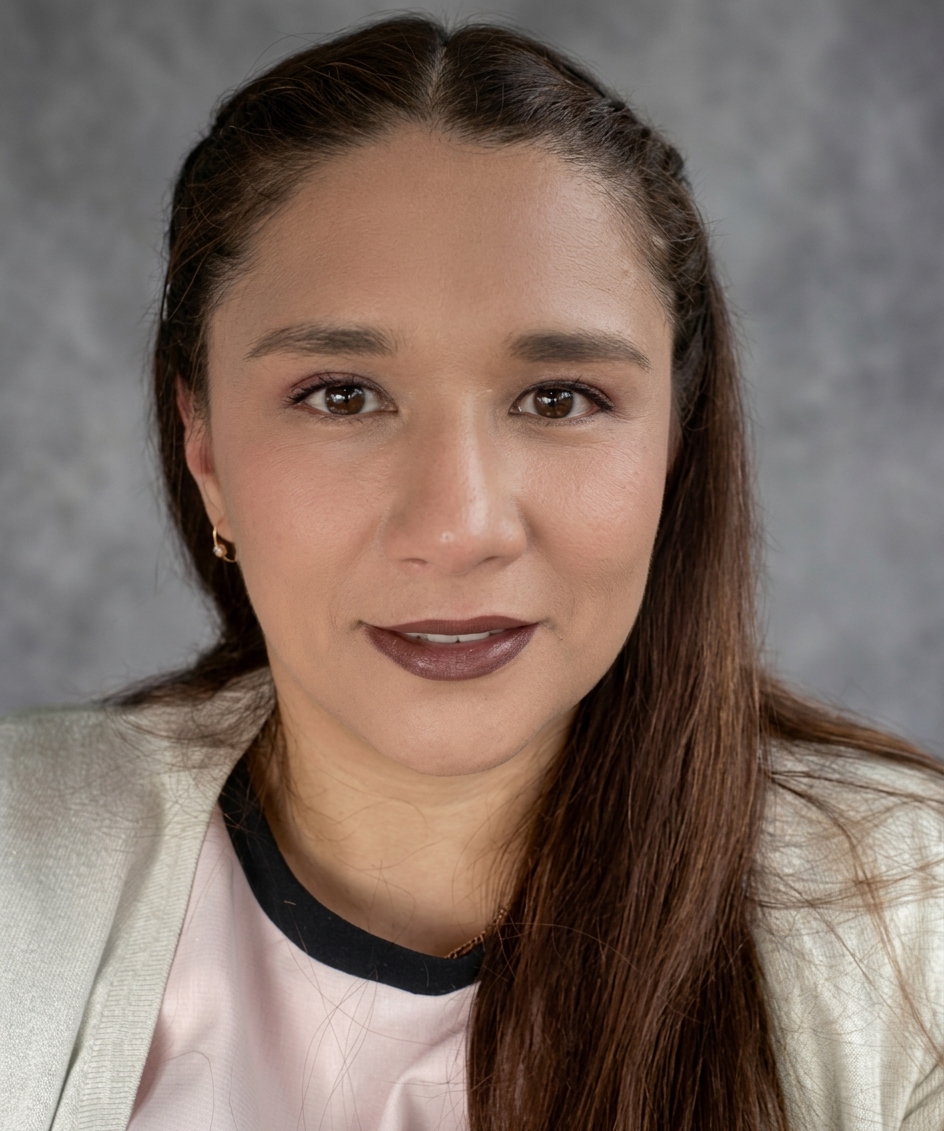
Rocio Peralta Coria

Rocio Peralta Coria es Licenciada en Química Farmacéutica Bióloga por la UNAM, especialista en Criminalística y Ciencias Forenses, y Master en Antropología y Genética Forense por la Universidad de Granada, España, actualmente, alumna de la Maestría en Genética Forense y Ciencias Periciales en la Facultad de Ciencias Químicas de la Universidad Autónoma Benito Juárez de Oaxaca (UABJO).

Speaker Image

María Alejandra Corzo Cortés

Bacteriologist and Clinical Laboratory Scientist, with a specialization in Forensic Sciences and Evidentiary Techniques and a Master's degree in Basic Biomedical Sciences. She has approximately eight years of experience in genetics and molecular biology. She currently serves as a forensic expert in the Genetics Group of the Technical Investigation Corps (CTI) at the Office of the Attorney General of Colombia in Bogotá, where she conducts human identification activities and method validation studies.

Speaker Image

Viridiana Chávez Hernández

College Professor, La Salle University

Viridiana Chávez Hernández is an Experimental Biologist who graduated from the Metropolitan Autonomous University and is in the process of completing her Master's in Criminal Investigation in Forensic Sciences. She has experience as a forensic genetics expert in the Field area of what was then the Attorney General's Office of Mexico City. Currently, she works as a college professor at La Salle University and as a genetics expert at the Institute of Forensic Services and Forensic Sciences of Mexico City.

Speaker Image

Carlos Morales

International Coordinator, Center for Human Identification, University of North Texas, Health Science Center at Fort Worth

Carlos E. Morales is a bilingual forensic DNA analyst with over 22 years of experience in human identification, DNA casework, expert testimony, and method validation. He currently serves as International Coordinator at the Center for Human Identification at UNT Health in Fort Worth, Texas. He manages a nationwide grant, supporting investigations involving unidentified human remains associated with missing migrants and American Indian and Alaska Native populations. He coordinates the submission of DNA profiles to the Humanitarian DNA Database (HDD) and facilitates collaboration among domestic and international agencies.

Speaker Image

Mary Merchán Merchán

Grupo Genética – Dirección-CTI

Biologist with a specialization in Integrated Quality, Health, Safety, and Environmental (QHSE) Management and a Master’s degree in Applied Statistics and Data Science. She has 16 years of experience in forensic genetics, including three years supporting the International Organization for Migration (IOM) in the analysis of enforced disappearance cases and 13 years as a forensic genetics expert at the Attorney General’s Office of Colombia.

Speaker Image

Giselle Adriana Cuervo Pérez

Servicios Médicos Yunis Turbay y Cía. S.A.S.

Coordinadora del proceso de Genética Forense Servicios Médicos Yunis Turbay y Cía. S.A.S. Bacterióloga y Laboratorista Clínico con 23 años de experiencia en genética forense y análisis de quimerismo para seguimiento de transplantes de médula ósea en Servicios Médicos Yunis Turbay y Cía. S.A.S

Speaker Image

Yadira Lizethe López Ramírez

Forensic Genetics Expert, Institute of Forensic Services and Forensic Sciences

Yadira Lizethe López Ramírez holds a Bachelor's degree in Biology from the National Autonomous University of Mexico (UNAM). She completed her social service requirement in the Laboratory of Neuroendocrinology at the same institution and participated in projects involving bacterial DNA at the Microbiology Laboratory of the Mexican Social Security Institute.

Speaker Image

Natalia Sandberg

DIRECCIÓN DE IDENTIFICACIÓN CRIMINAL DIRECCIÓN NACIONAL DE POLICÍA CIENTÍFICA MINISTERIO DEL INTERIOR

Natalia Sandberg as a Forensic Scientist is the head and co-founder of the "Registro Nacional de Huellas Genéticas" of the Direccion Nacional de Policía Científica (DNPC) of Uruguay. She has specialized in CODIS Software and for more than 18 years has carried out tasks inherent to the field of forensic genetics.

Speaker Image

Simón Cortés Sierra

National Administrator of the Missing Persons DNA Database, Colombia’s National Institute of Legal Medicine and Forensic Sciences

Biologist with 12 years of experience in forensic genetics applied to kinship analysis and the identification of missing persons. His professional experience includes the processing of various types of biological samples, the generation and interpretation of DNA profiles, and the preparation of forensic reports in accordance with quality standards such as ISO/IEC 17025. He has also participated in proficiency testing, method validation, and quality management and assurance activities.

Speaker Image

Ronaldo Carneiro da Silva Junior

Forensic Expert of Brazilian Federal Police acting as Liaison Officer at the General Secretariat of INTERPOL

Forensic Expert of Brazilian Federal Police acting as Liaison Officer at the General Secretariat of INTERPOL in Lyon/France (DNA Specialized Officer/DNA Unit). Pharmacist-Biochemist specialist in Cellular and Molecular Biology. Master and Doctorate degrees. Certified in Public Manager Preparation by the National School of Public Administration. Head of the Forensic Genetics Area at the National Institute of Criminalistics from 2016 to 2018. Head of the Sector of DNA Databases, Custodian of the National DNA Database and Coordinator of the Steering Committee of the Brazilian Network of DNA Databases from 2019 to 2023.

Speaker Image

Héctor Rangel Villalobos

Instituto de Investigación en Genética Molecula

Full Professor and Researcher, Director of the Institute of Molecular Genetics Research at the University Center of La Ciénega (University of Guadalajara). His research areas are Molecular Anthropology and Forensic Genetics.

Speaker Image

Juan Yunis

Director Científico, Servicios Médicos Yunis Turbay y Cia SAS | Profesor Titular, Universidad Nacional de Colombia

Pioneer in the introduction of DNA testing for paternity and kinship studies in 1994, alongside Dr. Emilio Yunis. Pioneer in the introduction of STR markers in forensic genetics in 1995. Pioneer in the analysis of mitochondrial DNA (mtDNA) and Y-chromosome STR markers in 1996. Recipient of the Aventis–National Academy of Medicine Award in 2002 and 2004. Served as a professor at the Institute of Genetics and the Department of Pathology, Faculty of Medicine, National University of Colombia, from 1994 to 2025.

Speaker Image

Submit Question to a speaker