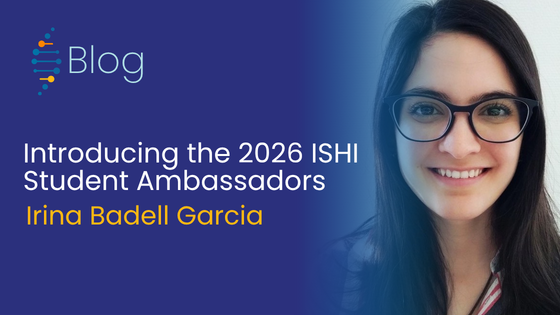
Irina Badell Garcia is one of five ISHI 37 Student Ambassadors attending this year’s symposium in Providence, Rhode Island. The Student Ambassador Program gives emerging forensic scientists a place at the table before most of the field knows their names. Over the coming weeks, we’ll introduce all five.
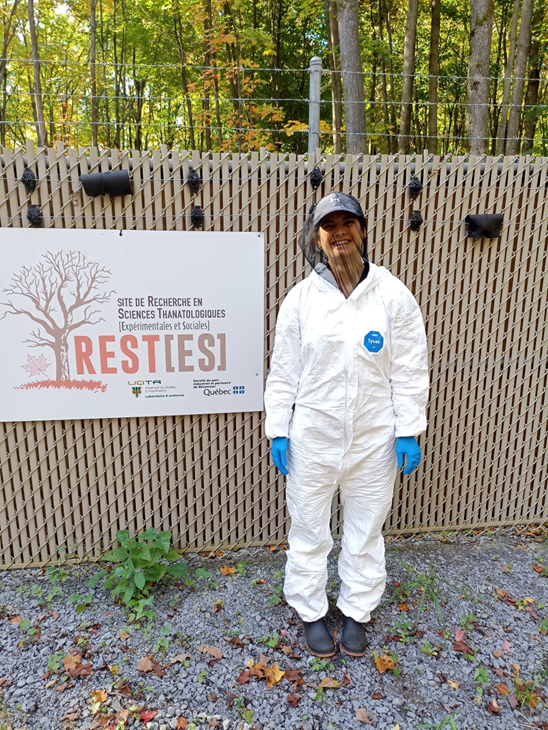
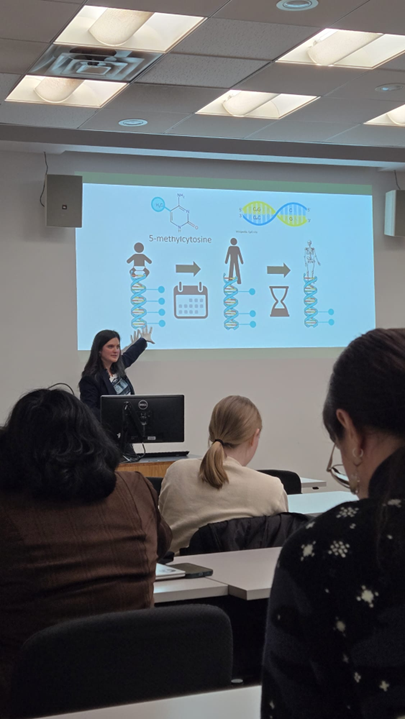
Irina is a PhD candidate at Trent University in Ontario, Canada, and a part-time artist. Her research has moved from bones to soft tissue, and from genetic identity to epigenetics. Working with REST[ES], Canada’s only taphonomic research facility, she has spent three years collecting samples from human cadavers to develop a molecular method for estimating the post-mortem interval (PMI) using DNA methylation patterns. At ISHI 37, she will present a poster on her findings.
Below, Irina discusses her path into forensic science, what day-to-day PhD life looks like at the end of a long project, and what she wants the forensic community to know about the students walking through the door right now.
What's your forensic science origin story — was it a TV show, a real case, or something you never saw coming?
During my undergrad in Human Biology, I was having a hard time figuring out what I wanted to do after graduation. I knew I wanted to do applied research, but I wasn’t sure in which field. I did internships every single summer in my quest; colon cancer, melanoma, virology, population genetics… and although I learnt a lot from every single experience, I didn’t see myself long-term in any of these fields. With one summer of undergrad to go, I started looking for labs abroad. That’s when I found Dr. Andrzej Ossowski’s lab at the Pomeranian Medical University (PUM) in Sczcecin, Poland, and I immediately asked to join them for the summer. They are the co-founders of the Polish Genetic Database of Victims of Totalitarianism (PBGOT) and they are dedicated to excavating mass graves and exhuming unidentified remains, extracting the highest-quality possible DNA, and trying to match these genetic profiles to those of living individuals whose relatives went missing or were murdered during WWII in polish territory. Their dedication at PUM and the reality of giving families some much needed closure by finding out what happened to their relatives, are the main reasons I fell in love with forensic science.
What's the thing in your program that nobody warns you about — and that you now feel obligated to tell every incoming student?
One thing I wish incoming students were more aware of is that sexism and harassment can still exist within academic environments, including in graduate programs. During my time in the PhD program at Trent University, some students experienced or witnessed inappropriate or discriminatory behavior, and in at least one case, harassment concerns ultimately led to a professor being forced into early retirement. Because of this, I encourage prospective students to speak with a range of current and former students when choosing supervisors and research environments. Having multiple perspectives can help students make informed decisions about mentorship, workplace culture, and their academic future.
What stage of your journey are you at right now — and what does that actually feel like day to day?
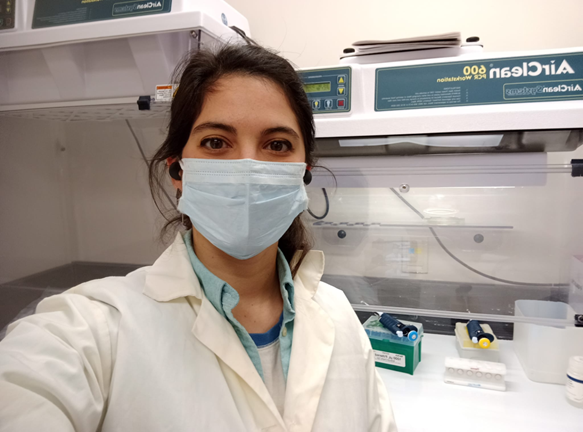
I’m in the end stretch of my PhD, which day-to-day, looks very different than in earlier stages. I have minimal lab work to do, so my day consists mostly of analyzing data and writing, as well as trying to keep sane with physical exercise and seeing my friends. I also make sure to have time to read and keep up with the literature.
What's the biggest misconception people have about what forensic scientists actually do all day?
There are many misconceptions about forensic scientists, due to how they are portrayed on TV: obtaining instant and completely infallible results, having complete databases of everything… At the same time, these TV shows have brought many more people into the field, who are graduating their degrees and are joining the efforts to bringing justice by using science. So, in the end, I think that the biggest misconception is that forensic shows, podcasts and/or books, have damaged the field —when in reality they have helped many people discover their true passion, and the research will be richer because of it.
What's the one conversation, session, or experience you'd consider a win when you leave Providence?
Conferences are such a wonderful platform to learn about the state-of-the-art research and making contacts. To me, a “win” would be to meet an old colleague with whom I’ve worked with before, and to make a new contact or even friend, with whom I may have the opportunity to work with in the future.
What's the best part of lab life that nobody talks about — and the part you're still making peace with?
The best part is how mindful and meditative lab work can be. You are locked into the protocol and until my stomach starts making noises, I don’t realize how long it’s been going for! Another part I’m still getting used to, is the smell. Working with bones before, the smell wasn’t a big issue, but at the moment I work with soft-tissue samples of decomposing remains, so you better have breakfast before coming into the lab!
What do you want the forensic science community to know about the students walking into this field right now?
No matter how smart someone is, we all need to be taught.